

Key Takeaways
Indiana repossession laws allow lenders to take back your vehicle if you default on your loan, sometimes after just one missed payment.
Lenders generally don’t have to notify you before repossessing your car, but many will contact you about missed payments first.
Indiana repo laws for cars allow repossession companies to take vehicles without a court order, but they can’t use force, threats, or breach the peace.
Even after your car is repossessed, you might have options for getting it back. With that said, you could still owe money if the vehicle sells for less than your remaining loan balance.
A repossession can stay on your credit report for seven years, but making on-time payments and managing debt responsibly can help you rebuild your credit.
Having your car repossessed is stressful enough without worrying about what your rights are or whether you’ll still owe money afterward. And if you’ve recently missed a payment, you might be surprised to learn that your lender would have the right to repossess your vehicle after just one missed payment. Keep reading, and we’ll break down Indiana repo laws for cars, including when lenders can take your vehicle, what repossession companies can and can’t do, how to prevent repossession, and what happens to your car and credit afterward.
Indiana Car Sales TaxHow to Transfer A Car Title in Indiana
How Many Payments Can You Miss Without Risking Repossession in Indiana?
The truth is, there’s no set number of missed payments required before a lender can repossess your vehicle. In fact, some lenders can start the
repossession process after just one missed payment, depending on the terms of your loan.
That doesn't mean your car will automatically be repossessed if you're a few days late. Some lenders are really good to work with if you’re experiencing financial difficulties, especially if you reach out before falling further behind.
Do They Notify You Before Repossession
You might just assume your lender has to warn you before taking your car, but that’s not always the case. In Indiana, lenders generally aren’t required to give you advance notice before repossessing your vehicle once you’ve defaulted on your loan.
However, many lenders will attempt to contact you about missed payments before taking action. If you’re falling behind, don’t ignore their calls or letters. Reaching out early could give you a chance to work out a payment arrangement and keep your car. Keep in mind that while lenders generally don't have to notify you before repossessing your car, they typically must provide notice before selling it.
How to Prevent a Repossession in Indiana
Here are a few steps you can take to help avoid repossession:
● Contact your lender: Explain your situation and ask about payment extensions or hardship programs.
● Catch up on missed payments: If possible, pay your past-due balance before repossession can begin.
● Consider refinancing: If you qualify, refinancing could help lower your monthly payments.
● Review your budget: Look for expenses you can temporarily cut to make your car payment more manageable.
What Indiana Repossession Companies Can Do
If you’ve fallen behind on your car loan, Indiana repossession companies do have the legal right to take your vehicle on behalf of your lender once you’ve defaulted. However, they must follow these certain rules:
Under Indiana repossession laws, repo agents can generally:
1. Repossess your vehicle without a court order.
2. Take your car from a public parking lot or an open driveway.
3. Repossess your vehicle without notifying you beforehand.
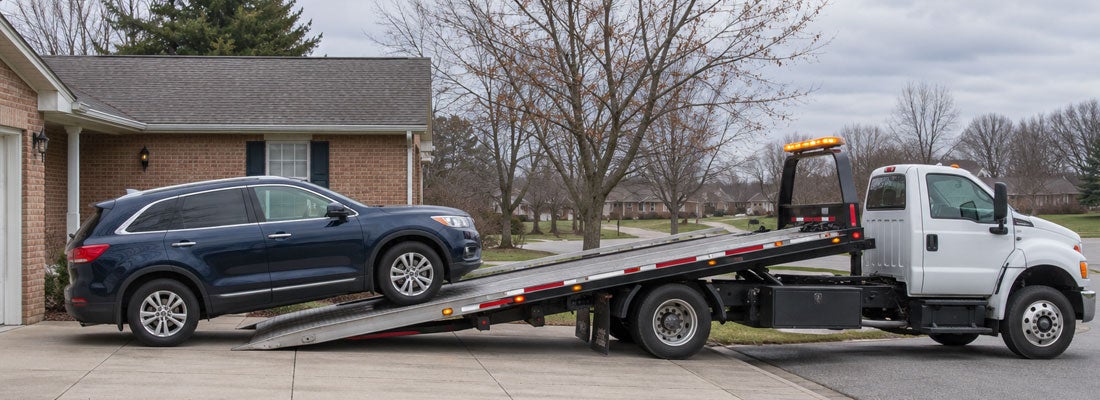
4. Tow your vehicle away as long as they don’t breach the peace.
What Can't Repossession Companies Do in Indiana?
Just because you’ve fallen behind on your payments doesn’t mean you lose all your rights. Indiana law places certain restrictions on how repossession companies can recover vehicles.
Repo agents generally cannot:
1. Use physical force or threaten you during repossession.
2. Break into a locked garage to access your vehicle.
3. Continue a repossession if you confront them with an objection at the scene.
4. Cause a disturbance or otherwise breach the peace.
5. Pretend to be law enforcement to pressure you into handing over your vehicle.
If you believe a repossession company violated your rights, document what happened and consider speaking with an attorney.
What Can You Do During a Car Repossession in Indiana
It’s never fun watching someone take your car away, especially if you rely on it to get to work or take care of your family. However, you still have certain rights during the process.
Here’s what you can do:
● Ask for identification: Request the repo agent’s name and the company they work for.
● Retrieve your belongings: Ask about removing your personal items from the vehicle.
● Document what happens: Take pictures or videos from a safe distance if you believe the repossession is being handled improperly.
● Voice your objections: You can tell the repo agent that you object to the repossession, but avoid a physical confrontation.
● Contact your lender: Ask whether there’s still an opportunity to resolve the missed payments.
Indiana Car Title Search
What You Can’t Do
Even if you believe your vehicle is being wrongfully repossessed, there are still limits to what you can legally do to stop it.
You should avoid the following:
● Physically confronting or threatening the repo agent.
● Damaging the tow truck or other repossession equipment.
● Attempting to remove your vehicle from a tow truck once it’s secured.
● Using force to prevent the repossession.
What Happens After Your Car Has Been Repossessed
After your car is repossessed, your lender will typically prepare to sell it to recover the money you owe. Before the lender sells the vehicle or enters into a contract to sell it, you generally have the right to get it back by paying the full amount owed on the loan, along with eligible repossession expenses. You should also receive notice of the sale and have an opportunity to retrieve your personal belongings. Keep in mind that if the vehicle sells for less than your outstanding loan balance, you might still owe the difference.
How Long Does Repossession Stay on Your Credit Report?
A car repossession can stay on your credit report for seven years, starting from the date of your first missed payment that led to the repossession.
While that can sound discouraging, the good news is that you don’t have to wait seven years to start improving your credit. Paying down your debt and using your credit responsibly will help slowly rebuild your score over time.
Moving Forward After a Car Repossession in Indiana
Dealing with a car repossession can definitely be overwhelming, but it doesn't have to define your financial future. Whether you’re trying to avoid repossession or working to rebuild your credit afterward, understanding your rights and options can help you make much more informed decisions.
And when you’re ready to get back behind the wheel, come see us at Don Hinds Ford in Fishers, Indiana. We’d be more than happy to help you explore your vehicle and financing options and find something that works for your needs and budget. We serve the entire Indianapolis area, including Noblesville and Carmel. We even serve farther areas such as Dayton and Columbus. We have a huge selection of vehicles for you to choose from, such as the new Ford F-150 and the used Toyota Tacoma.
New Ford InventoryUsed Cars For Sale
FAQs
Can you say no to the repo man?
You can refuse to voluntarily hand over your vehicle, but that doesn’t necessarily stop a repossession. In Indiana, lenders can generally repossess a car without a court order as long as they don’t breach the peace. That means repo agents can’t use threats, physical force, or other unlawful tactics to take your vehicle.
What happens if you never pay for your repossessed car?
Having your car repossessed doesn’t automatically erase what you owe. If your lender sells the vehicle for less than your remaining loan balance, you could still be responsible for the difference, known as a deficiency balance. Unpaid debt might also be sent to collections or result in legal action.
How can you improve your credit score after a repossession?
Start by paying your bills on time, reducing outstanding debt, and keeping your credit card balances low. Financing another vehicle and making consistent on-time payments can also help you rebuild your credit over time. Just make sure the payments fit your budget, and the lender reports them to the credit bureau.
Can a repo man take your car from your driveway in Indiana?
Yes. In Indiana, repossession agents can generally take your vehicle from an open driveway without your permission or a court order if you've defaulted on your loan.