


Blog / Indiana Car Laws

The Guide to Indiana Temporary License Plates: Fees & Exceptions Key Takeaways

Temporary License Plate

Takeaways 

● Indiana temporary license plates allow you to legally drive a vehicle while waiting for permanent registration or transporting a newly purchased car. 

● Indiana offers several types of temporary permits, including 96-hour permits, 30-day permits, and dealer-issued interim plates that are generally valid for up to 45 days. 

● You typically need to visit an Indiana BMV branch to apply for a temporary permit, although licensed dealerships can issue temporary plates when you purchase a vehicle. 

● You’ll need proof of ownership and the required insurance coverage to drive with temporary plates in Indiana. Fees and eligibility requirements depend on the type of permit you need. 

● Indiana temporary permits issued by the BMV generally cost $18, while fees for dealership-issued temporary plates can vary. 

Just bought a car and wondering how to get an Indiana temporary license plate so you can legally drive it home? Whether you’re buying from a dealership or a private seller, Indiana temp tags can help you get on the road while you take care of registration. 

But how do you get one, how much does it cost, and how long can you use it? We’ll walk you through the different types of temporary plates in Indiana, when you need one, how to apply, and what you should know before hitting the road. 


Indiana Car Sales TaxHow to Transfer A Car Title in Indiana

Situations Where You’ll Need Temporary Plates in Indiana 

Temporary plates are great when you need to drive a vehicle but haven’t completed the registration process. Here are some of the most common situations when you might need them:

● Buying a car from a dealership: If you purchase a new or used vehicle the dealership can issue temporary plates so you can drive home while your title and registration paperwork is processed. 

● Buying from a private seller: You might need a temporary permit to transport your newly purchased vehicle before getting it registered.

● Transporting an unregistered vehicle: If you need to move a vehicle that doesn’t have valid plates, you may qualify for a short-term permit. 

● Dealing with emissions testing: If your vehicle needs repairs to pass an emissions test, you might qualify for a temporary permit that allows you additional time to complete the process. 

The Different Types of Indiana Temporary Plates 

Depending on your specific situation, Indiana offers a few different types of temporary plates and permits: 

1. 96-Hour Temporary Delivery Permit 

This type of permit is valid for four days and allows you to transport a vehicle to certain locations, such as your home, a storage facility, or a BMV branch. It’s especially useful if you’ve purchased a vehicle from a private seller and need to get it home before registering it. 

2. 30-Day Temporary Registration Permit 

A 30-day temporary permit may be available if you’re purchasing a vehicle in Indiana but plan to register it in another state, or if you need additional time to complete certain emissions -related requirements. Eligibility will depend on your circumstances. 

3. Dealer-Issued Interim Plates


If you buy a vehicle from a licensed Indiana dealership, you’ll typically receive an interim plate that allows you to still drive while the dealership handles all your registration paperwork. Dealer-issued interim plates are valid for up to 45 days after the sale, or until your permanent license plate is issued, whichever comes first. 


How to Sell A Car in Indiana

How to Get a 30-Day Temporary Plate Online in Indiana 

Unfortunately, the Indiana BMV doesn't currently offer online applications for temporary permits. You'll need to visit a local BMV branch instead. 

To apply, bring proof of vehicle ownership, such as a title or bill of sale, along with any additional documents required for your situation. You'll also need to pay the temporary permit fee. 

Keep in mind that 30-day temporary plates aren't available for every situation. They're generally issued for specific circumstances, such as purchasing a vehicle in Indiana that you'll register in another state or needing additional time to meet emissions testing requirements. You can check eligibility and requirements on the Indiana BMV website. 

Do You Need One if You Buy a Car From a Dealership? 

Usually, yes, unless you can transfer an existing license plate or receive your permanent plates right away. Most Indiana dealerships can issue temporary plates when you purchase a new or used vehicle, so you won’t have to make a separate trip to the BMV before driving home. 

How and Where to Display Temporary Plates in Indiana 

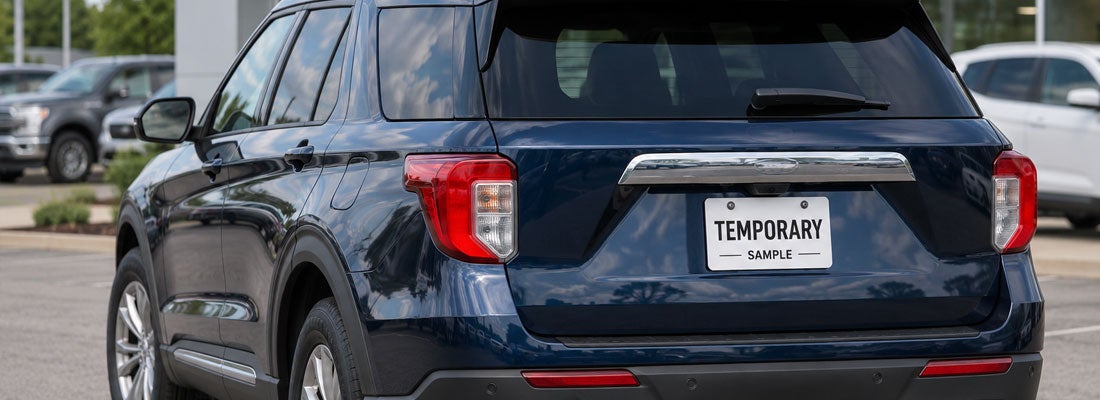
Indiana temporary license plates need to be displayed on the back of your vehicle or securely attached to the left side of the rear window. Make sure the plate is completely visible and isn’t blocked by tinted glass or other obstructions. You’ll also need to keep your temporary permit or dealer-issued ownership document inside the vehicle. 

Insurance Requirements for Indiana Temporary Plates 

Yes, you need car insurance to legally drive with temporary plates in Indiana. The state requires minimum liability coverage of $25,000 per person for bodily injury, $50,000 per accident for bodily injury, and $25,000 for property damage. If you’re buying from a dealership, it’s a good idea to arrange coverage before picking up your new car. 

Buying a Car in Indiana? Don Hinds Ford Can Help 

Temporary plates might not be the most exciting part of buying a car, but they're an important step in getting you on the road. Whether you need a 96-hour permit, a 30-day permit, or dealer-issued temp tags, knowing what to expect can save you some time and hassle. 

If you're shopping for a new or used vehicle, stop by Don Hinds Ford in Fishers, Indiana. Our team can help you find the right car, walk you through the paperwork, and handle the temporary plates so you can spend less time worrying about registration and more time enjoying your new purchase. We have a huge selection of new and used vehicles for you to choose from, including the new F-150 and Bronco, and used trucks such as the Ram and Ford Ranger.


New Ford Inventory Used Cars For Sale

FAQs 

How do you get temporary plates in Indiana? 

You can get temporary plates in Indiana through a licensed dealership when purchasing a vehicle or by applying for an eligible temporary permit at an Indiana BMV. The process will depend on how you purchased your vehicle and the type of permit you need. 

Can you get an Indiana temporary plate online?


Generally, you can’t apply for an Indiana temporary permit online through the BMV. You’ll need to visit a BMV branch. However, licensed dealerships can issue temporary plates electronically when you purchase a vehicle. 

What documents do you need to apply for an Indiana temporary permit? 

For a 96-hour temporary permit, you'll need proof of vehicle ownership, such as a title, registration, bill of sale, or certificate of origin, along with proof of insurance. Other types of temporary permits may require additional documentation depending on your situation. 

How much do temporary plates cost in Indiana? 

An Indiana BMV temporary permit generally costs $18. If you're purchasing a vehicle from a dealership, temporary plate fees will probably be handled as part of your purchase paperwork. 

How long are Indiana temporary plates valid? 

Indiana offers temporary permits valid for 96 hours or 30 days, depending on the circumstances. Dealer-issued interim plates are valid for up to 45 days after the sale or until your permanent license plate is issued, whichever comes first. 

Can you get a temporary plate after buying a car from a private seller? 

Yes. If you buy a vehicle from a private seller in Indiana, you may qualify for a 96-hour temporary delivery permit to transport it. You’ll need to visit a BMV branch with the required ownership and insurance documents.


Posted in:

Related Posts

Indiana Lost Car Title Replacement

Lost Car Titles in Indiana: Getting Your Replacement

Key Takeaways If your Indiana vehicle title is lost, stolen, damaged, or destroyed, you can request a replacement title through the Indiana BMV. Indiana vehicle title replacement can be handled in several ways, including online, in person, by mail, or at an eligible BMV Connect kiosk. Vehicles titled in the name of a business or trust might require extra documentation before a replacement title can be issued. If you’re replacing your title because you plan to sell or trade in your vehicle, taking care of it ahead of time will make the process much easier. If you’ve looked everywhere and can’t find your vehicle title, or need to replace it because of damage, don’t worry-it happens more than you might think. Fortunately, replacing a vehicle title in Indiana isn’t as complicated as it might seem. In this guide, we’ll go over how Indiana vehicle title replacement works, what you’ll need to apply for a duplicate title, how much it costs, and what you can expect from the entire process. Indiana Car Sales Tax How to Transfer A Car Title in Indiana Indiana Vehicle Title Replacement Losing your vehicle title can be frustrating, but getting a replacement is pretty straightforward. You can apply for a duplicate title through the Indiana Bureau of Motor Vehicles (BMV). You’ll typically need to provide information about yourself and the vehicle, complete the required application, and pay the replacement title fee. Once you realize it’s missing, it's a good idea to replace it sooner rather than later, especially if you’re planning to sell, trade in, or transfer ownership of the vehicle. Without the proper title, those transactions become a headache. Once you receive your replacement Indiana auto title, keep it somewhere safe, rather than storing it somewhere inside the vehicle itself. How to Get a Car Title in Indiana The Indiana BMV gives you several ways to request a duplicate title if you need to replace one that’s been lost or damaged. The best option will largely depend on how you prefer to apply and whether there are any special circumstances involving your vehicle’s title. You can request an Indiana replacement vehicle title: Online: Apply through your myBMV account if your title is eligible for online replacement. At a BMV branch: Visit an Indiana BMV location and provide the required identification and vehicle information. At a BMV Connect kiosk: Eligible replacement title requests can also be completed at a self-service kiosk. By mail: Complete the required Indiana title application and mail it along with the necessary documentation and payment A completed Application for Certificate of Title for a Vehicle (State Form 205) A copy of an unexpired photo ID A lien release, if applicable Payment for the $15 duplicate title fee by check, cashier’s check, or money order payable to the BMV, or a completed Collection of Payment Form (State Form 56163) An additional $25 fee if you request a speed title Mail the completed documents and payment to: Indiana Bureau of Motor Vehicles 100 N. Senate Ave., Room N411 Indianapolis, IN 46204 Through an authorized provider: Certain BMV-authorized Partial Service Providers can also help with title transactions. Whatever way you choose to go about replacement, make sure the information you provide matches the existing vehicle record. If you need to change ownership information, remove a lien, or make another change to the title, you might need to complete a different title transaction rather than simply requesting a replacement. What If I Have an Electronic Car Title in Indiana? If your Indiana car title is electronic, there might not be a lost title to replace in the traditional sense. Indiana has allowed vehicle owners to choose electronic titles since July 1, 2025. This basically means that your title can be stored electronically instead of mailed to you on paper. If you need a physical copy and there’s no lien on the vehicle, you can request that the BMV convert your electronic title to a paper one at no additional cost. If you’re selling or trading the vehicle to an Indiana dealer, you might not need a paper copy at all, since participating dealers can handle eligible electronic title transfers. How to Register A Car in Indiana What if It’s in the Name of a Business? If the vehicle is titled to a business, additional documentation will more than likely be required depending on who’s requesting the replacement title. It’s a good idea to check with the Indiana BMV before applying so you know what documentation you’ll need to show that you’re authorized to act for the business. What if It’s in the Name of a Trust? A vehicle titled in the name of a trust can make the replacement process a little different from replacing a title held in your own name. Before applying, check with the Indiana BMV to find out what documentation is required for your particular trust and title. Having the trust information and any relevant documents ready ahead of time can help prevent running into issues or an extra trip to the BMV. Getting a Replacement Car Title in Indiana Conclusion You probably don’t think much about your vehicle’s title until you need it and it’s nowhere to be found. Knowing what documents you need and which replacement option works for your situation can make the whole process a lot less confusing. If you’re replacing your title because you’re thinking about selling or trading in your vehicle, stop by and see us at Don Hinds Ford in Fishers, Indiana. We’re happy to help figure out your trade-in and take a look at what you might want to drive next.  Whether you’re looking for a new Ford or a dependable used truck or car, come by and see what we have on the lot. We serve everywhere near Indianapolis, including Noblesville, Carmel, and Anderson. New Ford Inventory Used Inventory Indiana Replacement Title FAQs How do I get a replacement title for my car in Indiana? If your original title has been lost, you can request a duplicate title through the Indiana BMV. Depending on your situation, you might be able to apply online, at a BMV branch, at an eligible BMV Connect kiosk, through an authorized provider, or by mail. How much does a replacement car title cost in Indiana? The standard fee for a duplicate Indiana vehicle title is $15. If you need your title more quickly, Indiana also offers a speed title option for an additional $25 fee. Can I get a replacement Indiana title online? Yes, eligible vehicle owners can request a duplicate title online through their myBMV account. Not every title situation can be handled online, though, so you might need to use another option if your title has special circumstances. How long does it take to get a replacement title in Indiana? The timeline can vary depending on how you apply. If you need the title sooner, Indiana offers a speed title option for an additional fee. If you’re planning to sell or trade in your vehicle soon, it’s smart to take care of the replacement title ahead of time. Can I sell or trade in a car without the title in Indiana? If you’ve lost your paper title, getting a replacement before selling or trading your vehicle can help prevent frustrating delays. However, Indiana also offers electronic titles, and eligible electronic titles can be transferred to participating Indiana dealers without first getting a physical paper title.

Indiana Out of State Car Registration

Indiana Out-of-State Car Registration: How to Do It

Key Takeaways Indiana out-of-state vehicle registration typically requires transferring the vehicle to an Indiana title before completing registration. Out-of-state vehicles generally need a VIN inspection before they can receive a title in Indiana. New Indiana residents usually have 60 days to title and register vehicles they already own. Registration costs can include title and registration fees, excise tax, and other applicable taxes and fees. Once your vehicle is registered in Indiana, you’ll need to renew the registration every year. Vehicles imported from outside the U.S. might require additional customs and federal compliance documentation. Bringing a vehicle into Indiana from another state? Whether you’ve just moved here or purchased a vehicle somewhere else, you’ll need to complete the Indiana out-of-state vehicle registration process before getting everything squared away. Luckily, the process is fairly straightforward once you know what to expect. Keep reading, and we’ll walk you through how to register your vehicle, what documents you’ll need, how much it will cost, what steps to take when it comes time to renew, and more. Indiana Car Sales Tax Indiana Auto Insurance Requirements How to Register an Out-of-State Vehicle in Indiana The first thing to know is that titling and registering an out-of-state vehicle in Indiana typically go hand in hand. Before you can complete registration, you’ll need to transfer the vehicle’s title to Indiana and have its Vehicle Identification Number (VIN) inspected. From there, the process will involve providing the required documents and paying any of the taxes and fees that apply. Here’s how the basic process works: Have the vehicle inspected. Vehicles coming from another state must go through a physical inspection to verify the VIN. This can be completed at an Indiana BMV branch or a BMV-certified service provider at no cost to you. A law enforcement officer can also perform the inspection and might charge up to $5. Apply for an Indiana title. You’ll need to transfer the vehicle’s existing title to Indiana before completing registration If a lienholder has the out-of-state title, the BMV has a process for requesting it from the lienholder. Provide the required documentation. Depending on your situation, this can include your current title or other proof of ownership, identification, proof of insurance, and other required BMV forms or documents. Pay the required taxes and fees. If you purchased the vehicle in another state, Indiana typically gives you credit for sales tax already paid there. If the amount paid was less than what Indiana would have charged, you might owe the difference. New Indiana residents transferring a vehicle they already own aren’t charged sales tax simply for transferring the title from their previous state. Complete the registration and get your Indiana plates. Once the vehicle is properly titled, you can complete the registration process and obtain an Indiana license plate. Some eligible new registrations can also be completed online through myBMV. What Do You Need to Register an Out-of-State Vehicle in Indiana? It can save you a lot of frustration to have your paperwork in order before heading over to the BMV. While the exact requirements can vary, you'll typically need the following: Your out-of-state vehicle title or other proof of ownership A completed Indiana title application A completed VIN inspection Required I.D. Proof of Indiana residency, when required Proof of auto insurance Payments for applicable title, registration, and tax fees Any additional documentation required for your specific situation Keep in mind that if a lienholder is holding your vehicle’s title, there might be extra paperwork involved to complete the title and registration process. Indiana Emissions Testing How Much Does it Cost to Register an Out-of-State Vehicle in Indiana? It can be hard to pinpoint the exact cost to register an out-of-state vehicle in Indiana because it varies based on the specific vehicle and where you live. However, here’s a list of the most common costs: Passenger vehicle registration: $21.35 Indiana title fee: $15 Transportation Infrastructure Improvement Fee: $15 Vehicle excise tax: Varies based on the vehicle’s age and original value County or municipal taxes: This might apply depending on where you live Additional fees: Might apply for specialty plates, electric vehicles, or hybrid vehicles Note: Remember that because these taxes vary, the total amount you pay could potentially be significantly higher than the base registration and title fees. How to Renew an Indiana Vehicle Registration The good news is that once you’ve got your vehicle’s title and registration taken care of, renewing your registration is much easier than the initial process. You typically won’t need another VIN inspection or title transfer. Instead, you can renew your Indiana vehicle registration through the BMV using one of the following options: Online through myBMV At a BMV Connect kiosk By mail In person at a BMV branch Keep in mind that you’ll need to pay your registration fees and taxes when you renew. Indiana vehicle registrations need to be renewed each year, and the expiration date is generally determined by the registered owner’s last name. What if the Vehicle is From Outside the U.S.? If you’re registering a vehicle imported from outside the U.S. in Indiana, there are a few extra requirements. Along with the standard title and registration documents, you’ll also need to provide U.S. Customs and Border Protection documentation showing the vehicle was legally imported. Depending on the vehicle, you might also need federal documentation showing that it meets EPA emissions and NHTSA safety standards. Because requirements can vary based on the vehicle and how it was imported, it’s also a good idea to confirm what paperwork will be needed with the Indiana BMV before starting the registration process. Get on the Road With Confidence in Indiana Bringing a vehicle into Indiana can come with a bit more paperwork, but it’s not hard to navigate once you understand the requirements and how it works. Getting it all taken care of early on gives you peace of mind and gets you safely on the road. And if you’re thinking it might be time to start driving something new, come see us at Don Hinds Ford in Fishers, Indiana. Our friendly team will help you explore new Ford models and quality used vehicles, go over financing and trade-in options, and make your next vehicle purchase as stress-free as possible. We have a huge selection of new and used trucks, SUVs, and cars for you to choose from, and we serve the entire state of Indiana, including Noblesville and Carmel. Whether you need a new vehicle, like the F-150 or Explorer, or transmission repair, we can help you! New Ford Inventory Used Cars for Sale FAQs Can I register an out-of-state vehicle online in Indiana? In some cases, yes. Indiana allows certain new vehicle registrations to be completed online through myBMV if the vehicle meets the eligibility requirements. However, an out-of-state vehicle still needs to meet Indiana's titling and VIN inspection requirements before the registration can be completed. Do I need a VIN inspection to register an out-of-state vehicle in Indiana? Yes. A vehicle being titled in Indiana that was previously titled in another state generally requires a physical inspection of its Vehicle identification Number. How long do I have to register an out-of-state vehicle in Indiana? New Indiana residents typically have 60 days after establishing residency to title and register their vehicles in Indiana. If you purchase or otherwise acquire an unregistered vehicle, Indiana generally requires registration within 45 days. Can I register a car in Indiana with an out-of-state title? Yes. However, you’ll generally need to transfer the out-of-state title to an Indiana title as part of the process. There also might be additional steps to consider if a lienholder currently holds the title. Do I have to pay sales tax on an out-of-state vehicle in Indiana? It depends. If you just recently purchased the vehicle outside of Indiana, you may owe Indiana sales tax, although you can generally receive credit for sales tax that was already paid in another state.

Indiana Salvage Titles

The Indiana Salvage Title Guide: Everything You Need to Know

Key Takeaways An Indiana salvage title means a vehicle has been declared a total loss after sustaining significant damage. In Indiana, a vehicle generally qualifies for a salvage title when repair costs reach 70% or more of its fair market value. Salvage-title vehicles usually cost less than comparable clean-title vehicles, but they might be more difficult to insure, finance, and resell. Before buying a salvage-title vehicle, review the vehicle history report and have it inspected by a trusted mechanic. Indiana requires documentation and an inspection before a repaired salvage vehicle can receive a rebuilt title. Understanding Indiana salvage title laws can help you avoid costly surprises and make a much more informed decision about your used car purchase. If you’ve come across an Indiana salvage title while shopping for a used car, there’s a good chance you’re wondering whether you found an amazing deal or something you should completely avoid. The truth is, it can be either one, depending on the vehicle and its history. In this guide, we’ll explain what an Indiana salvage title actually means, how the process works, what to look out for before you buy, and the steps to get a vehicle registered back on the road. Used Cars for Sale Used Truck Inventory What is a Salvage Title in Indiana? A salvage title is issued when a vehicle has been damaged badly enough that repairing it doesn’t make financial sense. In Indiana, that generally means the cost of repairs is 70% or more of the vehicle’s fair market value before it was damaged. At this point, the vehicle is typically considered a total loss. Can You Drive a Salvage Title Car in Indiana? No. In Indiana, you can’t legally drive or register a vehicle with a salvage title on public roads. A salvage title is simply a way of letting future buyers know the vehicle has experienced some kind of significant damage, whether from a major accident, flooding, fire, hail, or some other serious event. If the vehicle is properly repaired and passes Indiana’s required inspection, it might qualify for a rebuilt title. This allows it to be registered and driven again. Even then, its salvage history remains part of the vehicle's permanent record. What Do You Need to Get a Salvage Title in Indiana? If your vehicle qualifies as a salvage title, you’ll need to submit an application to the Indiana Bureau of Motor Vehicles (BMV) Central Office along with several other required documents. While the exact paperwork can vary depending on your specific situation, you’ll generally need the following: ● A completed Application for Certificate of Title ● A Salvage Title Affidavit ● The vehicle's current title ● Proof of the insurance settlement if you're keeping a vehicle that was declared a total loss ● Payment for the applicable title fees and any taxes that will apply Once the BMV reviews and approves your application, it will issue a salvage title for the vehicle. If you decide to repair the vehicle later, you’ll need to go through Indiana’s rebuilt title process, which includes a state inspection and additional documentation before the vehicle can be legally registered and driven again. Salvage Title vs Clean Title One of the first things everyone looks for when buying a used vehicle is whether the vehicle has a clean title or not. Basically, a clean title means the vehicle has never been declared a total loss by an insurance company. A salvage title indicates the vehicle has sustained significant enough damage to be declared a total loss or otherwise meets Indiana's salvage title requirements. Feature Clean Title Salvage Title Previous Total Loss No Yes Major Damage History Typically no Yes Legal to Drive Yes No, until repaired and issued a rebuilt title Easier to Insure ✅ Yes ⚠️ Often more difficult Easier to Finance ✅ Yes ⚠️ Some lenders may not finance Resale Value Higher Usually lower Best For Most everyday buyers Experienced buyers prepared to handle repairs and inspections Indiana Auto Insurance Requirements Indiana Salvage Title Laws Indiana’s salvage title laws are mainly designed to protect buyers by making sure a vehicle's history can’t simply disappear after major damage. Once a vehicle receives a salvage title, that brand stays with the vehicle throughout its life. Even if it’s professionally repaired and qualifies for a rebuilt title, the title still shows that the vehicle was previously declared a salvage vehicle. Another important rule is that owners who rebuild a salvage vehicle must keep documentation for the major replacement parts used during the repairs. During the rebuilt title process, those parts and their ownership records are verified as part of the inspection to help prevent the use of stolen components and ensure the vehicle meets Indiana’s legal requirements before returning to the road. How to Register a Salvage Title in Indiana A vehicle with a salvage title can’t be registered for normal road use in Indiana. Before you can get plates and legally drive it, the vehicle has to be repaired and go through Indiana’s salvage restoration process so it can eventually receive a rebuilt title. 1. Repair the vehicle. Complete the work needed to restore the vehicle and make sure you keep all of your receipts or other proof of ownership for any major component parts used in the repairs. 2. Complete the required paperwork. You’ll generally need an Application for Certificate of Title, the existing salvage title, and an Affidavit of Restoration for a Salvage Motor Vehicle 3. Gather your repair documentation. Indiana requires proof of ownership or purchase for major replacement parts. If you used parts you already owned, additional documentation might be needed. 4. Complete the required vehicle inspection. The restoration process includes verification of the vehicle and the parts used to rebuild it before a rebuilt title can be issued. 5. Submit the salvage restoration application. Indiana’s salvage restoration title applications are handled through the BMV Central Office, along with the required documents, proof of address, and applicable fees and taxes. 6. Receive your rebuilt title and register the vehicle. Once the BMV approves the restoration and issues a title with a rebuilt brand, you can move forward with registering, insuring, and legally driving the vehicle again. What to Look For When Buying a Vehicle with a Salvage Title The price of a car with a salvage title can be really enticing, but it’s definitely smart to know what you’re getting into and what questions to ask before moving forward. ● Review the vehicle history report to see exactly why the vehicle received a salvage title. ● Ask for copies of all repair records and receipts to verify what work has been completed. ● Have it inspected by an independent mechanic to double-check for hidden damage or poor-quality repairs. ● Confirm that it’s eligible for insurance since some companies limit coverage on rebuilt vehicles. ● Check financing options ahead of time, as some lenders have restrictions on salvage or rebuilt title vehicles. ● Compare the price to a similar clean-title vehicle to make sure the savings are worth the added risk Should You Buy a Salvage Title Vehicle in Indiana? Whether a salvage-title vehicle is worth buying really depends on your budget, your expectations, and the condition of the vehicle itself. If all the repairs were done properly and it can pass an inspection, it can be a good way to save money, especially compared to buying the same vehicle with a clean title. For certain buyers looking for an inexpensive second car or a project vehicle, that price can actually make a lot of sense. However, a salvage-title vehicle isn’t the right choice for everyone. Even after it’s been rebuilt, it will almost always be worth less than a comparable clean-title vehicle. It might also be much more difficult to finance or insure, and you’ll likely have a difficult time selling it when the time comes. These are all really important factors to consider alongside the initial upfront savings. Find the Right Vehicle With Confidence Whether you’re thinking about buying a vehicle with a salvage title or just want to understand in more detail what that means before you start shopping, having the right information can save you money and a lot of headaches. If you're ready to shop for your next vehicle, we'd love to help. Stop by Don Hinds Ford in Fishers, Indiana, where our friendly team can answer your questions, walk you through your options, and help you find a vehicle that fits your unique needs and your budget. Indiana Car Sales Tax The Indiana Title Search Guide FAQs What are the requirements for getting a salvage title in Indiana? In most cases, a vehicle qualifies for a salvage title after it has been declared a total loss due to significant damage. To apply, you'll generally need the vehicle's current title, a completed application, a salvage title affidavit, and any other documents required by the Indiana BMV. Can you see the history of a salvage title vehicle in Indiana? Yes. A vehicle history report can often show when a vehicle was issued a salvage or rebuilt title, along with information about reported accidents, flood damage, previous owners, and other important events. It's a good idea to review the report before buying any used vehicle. Can you finance a car with a salvage title in Indiana? Sometimes. But keep in mind that it's usually more difficult than financing a vehicle with a clean title. Some lenders won't finance salvage-title vehicles, while others may require a larger down payment or charge a higher interest rate. Rebuilt-title vehicles are typically easier to finance than those that still have a salvage title. Is it harder to sell a vehicle with a salvage title? Generally, yes. Many buyers can be a little hesitant to purchase a vehicle with a salvage history, which usually means it will sell for less than a comparable clean-title vehicle. Keeping repair records and documentation can help build buyer confidence. Can you remove a salvage title from a vehicle in Indiana? No. A salvage title can't be changed into a clean title. If the vehicle is repaired and passes the required inspection, it can receive a rebuilt title, but its salvage history will always remain part of the vehicle's record. Can you insure a salvage title vehicle in Indiana? Yes, but it depends on the vehicle and the insurance company. Most insurers won't provide full coverage for a vehicle that still has a salvage title. Once it's repaired and receives a rebuilt title, you'll usually have more coverage options, although premiums and coverage levels can vary.