

Blog / Indiana Car Laws

How to Sell a Car in Indiana: Gifting vs Selling

How To Sell A Car in Indiana

Knowing the process of how to sell a car in Indiana is something very helpful to understand, especially when it’s time to upgrade, downsize, or just put some extra cash in your pocket. Selling a car in Indiana is a process lots of drivers will eventually go through. While it might seem straightforward, there are several tips that can help you avoid headaches, stay compliant with Indiana law, and make the transaction go more smoothly. 

How to Sell a Car in Indiana 

1. Gather your documents. 

2. Determine your vehicle's value. 

3. Choose how you want to sell. 

4. Prepare the vehicle. 

5. Meet with buyers safely. 

6. Complete the title transfer. 

7. Remove your license plate if applicable. 

8. Keep copies of your records. 

What Are the Different Ways to Sell a Car in Indiana? 

If you’re looking to sell a car in Indiana, there are several solid options to consider. It really boils down to how quickly you want it sold, how much effort you’re willing to put in, and how important getting top dollar out of the vehicle is to you. Some methods are fast and convenient, while others can help you maximize the amount you can get for your vehicle. 

● Trade In Your Vehicle 

Trading in your vehicle is one of the most popular ways to sell a car in Indiana and is usually the easiest as well. Instead of finding a buyer yourself, you bring your vehicle to a dealership, receive an appraisal, and apply the value toward another vehicle purchase. The whole process can often be completed in a single visit. 

This option is so convenient because you don't have to create listings, answer messages, schedule test drives, or worry about paperwork. In many cases, a trade-in can also reduce the amount of sales tax you pay on your next vehicle because the trade-in value is applied to the purchase price. 

● Sell Your Car Privately 

If your goal is to get the highest possible price, selling your car privately is usually your best bet. Private buyers are generally willing to pay more than a dealership because they're purchasing the vehicle directly rather than reselling it for a profit. 

However, a private sale will usually take more effort on your part. You'll need to advertise the vehicle, respond to inquiries, meet with potential buyers, and handle the title transfer process. While it might take longer to get the price you want, most Indiana vehicle owners find it’s worth the extra effort when maximizing the sale price is the top priority. 

● Get an Instant Cash Offer 

An instant cash offer can be a great option if you want to sell your car quickly without buying another vehicle. Many dealerships and online vehicle-buying services allow you to provide basic information about your car and receive an estimated offer in a matter of minutes. 

Once the vehicle is inspected and the offer is confirmed, you can often complete the sale the same day. This option combines much of the convenience of a trade-in with the flexibility of selling outright, making it a popular choice for drivers who want a fast and straightforward transaction.

● Sell to a Car-Buying Company 

Another way to sell a car in Indiana is through a company that specializes in purchasing used vehicles. These businesses typically buy vehicles directly from owners and handle much of the paperwork involved in the transaction. 

The process is usually simple and efficient. After receiving an appraisal, you can choose whether to accept the offer. Some companies even provide vehicle pickup services. While the offer may not always be as high as a private-party sale, many people appreciate the speed and convenience. 

What Documents Do You Need To Sell a Car in Indiana 

Having the right documents ready to go before selling a car in Indiana is always something we recommend. It just makes everything run smoothly and helps prevent delays. While every situation is a little different, these are the main documents you’ll need: 

1. The Vehicle Title 

The title is the most important document in the transaction. You'll need to properly sign the title over to the buyer and complete any required sections related to the sale. 

2. An Indiana Auto Bill of Sale 

An Indiana auto bill of sale isn’t always required by law, but it can provide valuable documentation for both parties. A bill of sale generally includes the buyer's and seller's information, the vehicle's details, the sale price, and the date of the transaction. 

3. Odometer Disclosure Information 

Federal law requires an odometer disclosure for many vehicle sales. In some cases, this information is included directly on the title, while other transactions may require additional documentation.

4. Valid Identification 

Buyers and sellers should have a valid government-issued photo ID available to verify their identities and complete any required paperwork. 

5. Lien Release (If Applicable) 

If the vehicle previously had a loan against it, you’ll likely need documentation showing that the lien has been satisfied before ownership can be transferred. 

6. Vehicle Maintenance Records (Optional) 

While not required, service records, repair receipts, and maintenance history can help build buyer confidence and might make it easier to sell the vehicle. 

Indiana Title Transfer Requirements 

One of the most important parts of selling a car in Indiana is properly transferring the title. To complete the transfer, the seller must sign the title, provide any required odometer disclosure information, and give the title to the buyer. If there is an active lien on the vehicle, a lien release may also be required. 

After the sale, the buyer is generally responsible for applying for a new title through the Indiana BMV. Indiana typically requires title transfers to be completed within 45 days of the purchase date to avoid potential penalties or additional fees. 

How to Get Your Car Ready For the Sale 

A clean, detailed car will generally sell faster and for a higher price than one that looks a little rough around the edges. An impressive first appearance can have a very positive impact.

Start by washing the exterior, cleaning the interior, and removing any personal belongings from the vehicle. Next, gather important records that buyers might want to see. Maintenance receipts, service records, and documentation for recent repairs can help demonstrate that the vehicle has been well cared for. If you have an owner's manual, extra key fobs, or original paperwork, it's a good idea to have those ready as well. 

Also, before showing the vehicle, make sure to take care of any minor maintenance issues that could potentially turn buyers away. Replacing burned-out bulbs, topping off fluids, and checking tire pressure can all help the car show better. Finally, take clear photos in good lighting and write an honest description that highlights the vehicle's features, condition, and maintenance history. 

How to Safely Meet Buyers 

If you’re planning on privately selling a vehicle in Indiana, meeting with potential buyers is just a normal part of the process. However, you’ll definitely want to take a few precautions before handing over your keys. Whenever possible, arrange to meet in a busy public place during daylight hours. Many police departments have designated safe exchange areas, but bank parking lots, shopping centers, and other well-trafficked locations are also great options. It’s also a good idea to communicate through the marketplace platform or by phone before meeting. This helps legitimize if the buyer is serious about the purchase. 

Avoid sharing unnecessary personal information, and be cautious of buyers who pressure you to meet in isolated locations or who seem unwilling to answer very basic questions. Just remember that if something feels off, it’s totally fine to end the conversation and move on to another buyer. 

It’s also a good idea to tell a friend or family member where you’re going and when you’ll be back. If possible, bring someone with you to the meeting. If the buyer decides to purchase the vehicle, you might consider completing the paperwork at a bank or financial institution where funds can be verified before the title is signed over. 

Safe Test Drive Tips 

● Verify that the buyer has a valid driver’s license before allowing them to drive 

● Confirm that your vehicle is properly insured before the test drive

● Plan the test-drive route ahead of time and stick to familiar roads

● Ride along during the test drive rather than letting the buyer take the vehicle alone 

● Remove valuables and personal information from the vehicle before meeting the buyer 

● Keep the test drive reasonably short while still giving the buyer time to evaluate the vehicle 

Gifting vs Selling a Car in Indiana 

When transferring a vehicle to someone else, you'll generally have two options: gifting the car or selling it. A sale involves exchanging the vehicle for money and documenting the agreed-upon purchase price during the title transfer process. This is by far the most common way things are handled when ownership is changing hands between parties that aren’t related. 

Gifting a car means transferring ownership without receiving payment. This is most often done between family members, such as parents and children or spouses. If no money is actually being exchanged, documenting the transfer as a gift is generally the most accurate way to handle the transaction. 

While both ways of doing things are legal in Indiana, they can have different tax implications. In a traditional sale, the buyer is typically responsible for paying Indiana sales tax when transferring the title. With a gifted vehicle, the tax treatment might be different depending on the relationship between the parties and the circumstances of the transfer. For example, certain transfers between qualifying family members may be exempt from Indiana sales tax, making a gift transfer more advantageous in some situations. 

Selling a Car in Indiana Conclusion 

Selling a vehicle is really about finding the approach that works best for your specific situation. Whether you’re trading it in, selling it privately, or taking advantage of an instant cash offer, a little preparation and having the right paperwork can go a very long way toward making the process less stressful. 

And if selling your current vehicle is the first step toward getting behind the wheel of something different, stop by and check out our inventory at Don Hinds Ford in Fishers, Indiana. Drivers throughout the area continue to choose us because of our large selection, transparent buying experience, and friendly staff. We’d love the opportunity to help with your next vehicle purchase. 

How to Sell a Car in Indiana FAQs 

What are the best websites to sell a car in Indiana? 

Some of the most popular websites for selling a car in Indiana include Facebook Marketplace, AutoTrader, Cars.com, CarGurus, and Craigslist. Many dealerships also offer instant cash offers if you'd rather avoid listing the vehicle yourself. 

Can you sell a car in Indiana if you still owe money on it? 

Yes, you can sell a car with an outstanding loan, but the lien must be satisfied before ownership can be fully transferred. Many buyers and dealerships work directly with the lender to pay off the remaining balance as part of the sale. 

Where do you sign the title when selling a car in Indiana?

The seller typically signs the designated seller section on the back of the title. Be sure to carefully follow the instructions on the title, as mistakes can delay the transfer process and might require a replacement title. 

Do you need a notary to sell a car in Indiana? 

In most cases, Indiana doesn’t require a vehicle title to be notarized for a standard private-party vehicle sale. However, requirements can change, so it's always a good idea to verify current Indiana BMV requirements before completing the transaction. 

How long do you have to transfer a car title in Indiana? 

Indiana generally requires the buyer to apply for a new title within 45 days of purchasing the vehicle. Delays can result in additional fees or complications during the registration process. 

Do I need an Indiana auto bill of sale to sell my car? 

An Indiana auto bill of sale isn’t always required, but it can be a valuable document for both the buyer and seller. It provides proof of the transaction and can help document the sale price, vehicle information, and date of sale. 

What documents do I need to sell a car in Indiana? 

Most sellers will need the vehicle title and a valid form of identification. Depending on the situation, an Indiana auto bill of sale, odometer disclosure information, and lien release documents may also be needed.

Posted in:

Related Posts

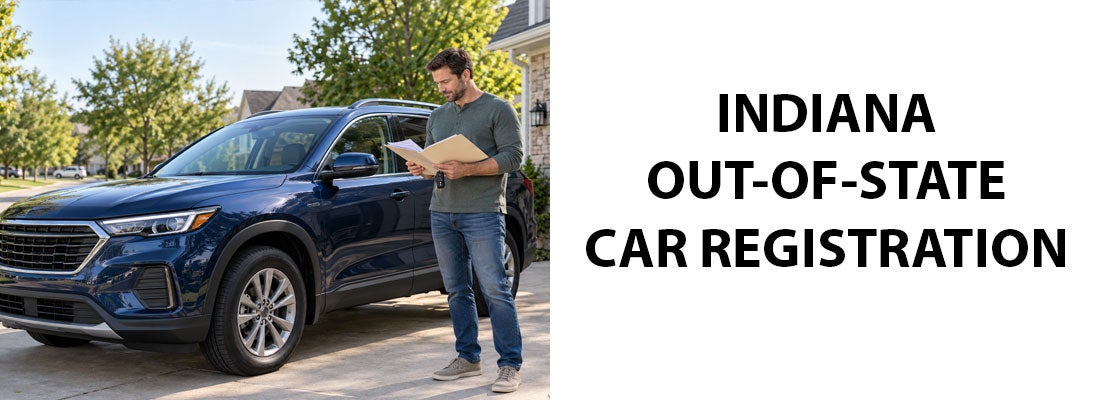
Indiana Out of State Car Registration

Indiana Out-of-State Car Registration: How to Do It

Key Takeaways Indiana out-of-state vehicle registration typically requires transferring the vehicle to an Indiana title before completing registration. Out-of-state vehicles generally need a VIN inspection before they can receive a title in Indiana. New Indiana residents usually have 60 days to title and register vehicles they already own. Registration costs can include title and registration fees, excise tax, and other applicable taxes and fees. Once your vehicle is registered in Indiana, you’ll need to renew the registration every year. Vehicles imported from outside the U.S. might require additional customs and federal compliance documentation. Bringing a vehicle into Indiana from another state? Whether you’ve just moved here or purchased a vehicle somewhere else, you’ll need to complete the Indiana out-of-state vehicle registration process before getting everything squared away. Luckily, the process is fairly straightforward once you know what to expect. Keep reading, and we’ll walk you through how to register your vehicle, what documents you’ll need, how much it will cost, what steps to take when it comes time to renew, and more. Indiana Car Sales Tax Indiana Auto Insurance Requirements How to Register an Out-of-State Vehicle in Indiana The first thing to know is that titling and registering an out-of-state vehicle in Indiana typically go hand in hand. Before you can complete registration, you’ll need to transfer the vehicle’s title to Indiana and have its Vehicle Identification Number (VIN) inspected. From there, the process will involve providing the required documents and paying any of the taxes and fees that apply. Here’s how the basic process works: Have the vehicle inspected. Vehicles coming from another state must go through a physical inspection to verify the VIN. This can be completed at an Indiana BMV branch or a BMV-certified service provider at no cost to you. A law enforcement officer can also perform the inspection and might charge up to $5. Apply for an Indiana title. You’ll need to transfer the vehicle’s existing title to Indiana before completing registration If a lienholder has the out-of-state title, the BMV has a process for requesting it from the lienholder. Provide the required documentation. Depending on your situation, this can include your current title or other proof of ownership, identification, proof of insurance, and other required BMV forms or documents. Pay the required taxes and fees. If you purchased the vehicle in another state, Indiana typically gives you credit for sales tax already paid there. If the amount paid was less than what Indiana would have charged, you might owe the difference. New Indiana residents transferring a vehicle they already own aren’t charged sales tax simply for transferring the title from their previous state. Complete the registration and get your Indiana plates. Once the vehicle is properly titled, you can complete the registration process and obtain an Indiana license plate. Some eligible new registrations can also be completed online through myBMV. What Do You Need to Register an Out-of-State Vehicle in Indiana? It can save you a lot of frustration to have your paperwork in order before heading over to the BMV. While the exact requirements can vary, you'll typically need the following: Your out-of-state vehicle title or other proof of ownership A completed Indiana title application A completed VIN inspection Required I.D. Proof of Indiana residency, when required Proof of auto insurance Payments for applicable title, registration, and tax fees Any additional documentation required for your specific situation Keep in mind that if a lienholder is holding your vehicle’s title, there might be extra paperwork involved to complete the title and registration process. Indiana Emissions Testing How Much Does it Cost to Register an Out-of-State Vehicle in Indiana? It can be hard to pinpoint the exact cost to register an out-of-state vehicle in Indiana because it varies based on the specific vehicle and where you live. However, here’s a list of the most common costs: Passenger vehicle registration: $21.35 Indiana title fee: $15 Transportation Infrastructure Improvement Fee: $15 Vehicle excise tax: Varies based on the vehicle’s age and original value County or municipal taxes: This might apply depending on where you live Additional fees: Might apply for specialty plates, electric vehicles, or hybrid vehicles Note: Remember that because these taxes vary, the total amount you pay could potentially be significantly higher than the base registration and title fees. How to Renew an Indiana Vehicle Registration The good news is that once you’ve got your vehicle’s title and registration taken care of, renewing your registration is much easier than the initial process. You typically won’t need another VIN inspection or title transfer. Instead, you can renew your Indiana vehicle registration through the BMV using one of the following options: Online through myBMV At a BMV Connect kiosk By mail In person at a BMV branch Keep in mind that you’ll need to pay your registration fees and taxes when you renew. Indiana vehicle registrations need to be renewed each year, and the expiration date is generally determined by the registered owner’s last name. What if the Vehicle is From Outside the U.S.? If you’re registering a vehicle imported from outside the U.S. in Indiana, there are a few extra requirements. Along with the standard title and registration documents, you’ll also need to provide U.S. Customs and Border Protection documentation showing the vehicle was legally imported. Depending on the vehicle, you might also need federal documentation showing that it meets EPA emissions and NHTSA safety standards. Because requirements can vary based on the vehicle and how it was imported, it’s also a good idea to confirm what paperwork will be needed with the Indiana BMV before starting the registration process. Get on the Road With Confidence in Indiana Bringing a vehicle into Indiana can come with a bit more paperwork, but it’s not hard to navigate once you understand the requirements and how it works. Getting it all taken care of early on gives you peace of mind and gets you safely on the road. And if you’re thinking it might be time to start driving something new, come see us at Don Hinds Ford in Fishers, Indiana. Our friendly team will help you explore new Ford models and quality used vehicles, go over financing and trade-in options, and make your next vehicle purchase as stress-free as possible. We have a huge selection of new and used trucks, SUVs, and cars for you to choose from, and we serve the entire state of Indiana, including Noblesville and Carmel. Whether you need a new vehicle, like the F-150 or Explorer, or transmission repair, we can help you! New Ford Inventory Used Cars for Sale FAQs Can I register an out-of-state vehicle online in Indiana? In some cases, yes. Indiana allows certain new vehicle registrations to be completed online through myBMV if the vehicle meets the eligibility requirements. However, an out-of-state vehicle still needs to meet Indiana's titling and VIN inspection requirements before the registration can be completed. Do I need a VIN inspection to register an out-of-state vehicle in Indiana? Yes. A vehicle being titled in Indiana that was previously titled in another state generally requires a physical inspection of its Vehicle identification Number. How long do I have to register an out-of-state vehicle in Indiana? New Indiana residents typically have 60 days after establishing residency to title and register their vehicles in Indiana. If you purchase or otherwise acquire an unregistered vehicle, Indiana generally requires registration within 45 days. Can I register a car in Indiana with an out-of-state title? Yes. However, you’ll generally need to transfer the out-of-state title to an Indiana title as part of the process. There also might be additional steps to consider if a lienholder currently holds the title. Do I have to pay sales tax on an out-of-state vehicle in Indiana? It depends. If you just recently purchased the vehicle outside of Indiana, you may owe Indiana sales tax, although you can generally receive credit for sales tax that was already paid in another state.

Indiana Salvage Titles

The Indiana Salvage Title Guide: Everything You Need to Know

Key Takeaways An Indiana salvage title means a vehicle has been declared a total loss after sustaining significant damage. In Indiana, a vehicle generally qualifies for a salvage title when repair costs reach 70% or more of its fair market value. Salvage-title vehicles usually cost less than comparable clean-title vehicles, but they might be more difficult to insure, finance, and resell. Before buying a salvage-title vehicle, review the vehicle history report and have it inspected by a trusted mechanic. Indiana requires documentation and an inspection before a repaired salvage vehicle can receive a rebuilt title. Understanding Indiana salvage title laws can help you avoid costly surprises and make a much more informed decision about your used car purchase. If you’ve come across an Indiana salvage title while shopping for a used car, there’s a good chance you’re wondering whether you found an amazing deal or something you should completely avoid. The truth is, it can be either one, depending on the vehicle and its history. In this guide, we’ll explain what an Indiana salvage title actually means, how the process works, what to look out for before you buy, and the steps to get a vehicle registered back on the road. Used Cars for Sale Used Truck Inventory What is a Salvage Title in Indiana? A salvage title is issued when a vehicle has been damaged badly enough that repairing it doesn’t make financial sense. In Indiana, that generally means the cost of repairs is 70% or more of the vehicle’s fair market value before it was damaged. At this point, the vehicle is typically considered a total loss. Can You Drive a Salvage Title Car in Indiana? No. In Indiana, you can’t legally drive or register a vehicle with a salvage title on public roads. A salvage title is simply a way of letting future buyers know the vehicle has experienced some kind of significant damage, whether from a major accident, flooding, fire, hail, or some other serious event. If the vehicle is properly repaired and passes Indiana’s required inspection, it might qualify for a rebuilt title. This allows it to be registered and driven again. Even then, its salvage history remains part of the vehicle's permanent record. What Do You Need to Get a Salvage Title in Indiana? If your vehicle qualifies as a salvage title, you’ll need to submit an application to the Indiana Bureau of Motor Vehicles (BMV) Central Office along with several other required documents. While the exact paperwork can vary depending on your specific situation, you’ll generally need the following: ● A completed Application for Certificate of Title ● A Salvage Title Affidavit ● The vehicle's current title ● Proof of the insurance settlement if you're keeping a vehicle that was declared a total loss ● Payment for the applicable title fees and any taxes that will apply Once the BMV reviews and approves your application, it will issue a salvage title for the vehicle. If you decide to repair the vehicle later, you’ll need to go through Indiana’s rebuilt title process, which includes a state inspection and additional documentation before the vehicle can be legally registered and driven again. Salvage Title vs Clean Title One of the first things everyone looks for when buying a used vehicle is whether the vehicle has a clean title or not. Basically, a clean title means the vehicle has never been declared a total loss by an insurance company. A salvage title indicates the vehicle has sustained significant enough damage to be declared a total loss or otherwise meets Indiana's salvage title requirements. Feature Clean Title Salvage Title Previous Total Loss No Yes Major Damage History Typically no Yes Legal to Drive Yes No, until repaired and issued a rebuilt title Easier to Insure ✅ Yes ⚠️ Often more difficult Easier to Finance ✅ Yes ⚠️ Some lenders may not finance Resale Value Higher Usually lower Best For Most everyday buyers Experienced buyers prepared to handle repairs and inspections Indiana Auto Insurance Requirements Indiana Salvage Title Laws Indiana’s salvage title laws are mainly designed to protect buyers by making sure a vehicle's history can’t simply disappear after major damage. Once a vehicle receives a salvage title, that brand stays with the vehicle throughout its life. Even if it’s professionally repaired and qualifies for a rebuilt title, the title still shows that the vehicle was previously declared a salvage vehicle. Another important rule is that owners who rebuild a salvage vehicle must keep documentation for the major replacement parts used during the repairs. During the rebuilt title process, those parts and their ownership records are verified as part of the inspection to help prevent the use of stolen components and ensure the vehicle meets Indiana’s legal requirements before returning to the road. How to Register a Salvage Title in Indiana A vehicle with a salvage title can’t be registered for normal road use in Indiana. Before you can get plates and legally drive it, the vehicle has to be repaired and go through Indiana’s salvage restoration process so it can eventually receive a rebuilt title. 1. Repair the vehicle. Complete the work needed to restore the vehicle and make sure you keep all of your receipts or other proof of ownership for any major component parts used in the repairs. 2. Complete the required paperwork. You’ll generally need an Application for Certificate of Title, the existing salvage title, and an Affidavit of Restoration for a Salvage Motor Vehicle 3. Gather your repair documentation. Indiana requires proof of ownership or purchase for major replacement parts. If you used parts you already owned, additional documentation might be needed. 4. Complete the required vehicle inspection. The restoration process includes verification of the vehicle and the parts used to rebuild it before a rebuilt title can be issued. 5. Submit the salvage restoration application. Indiana’s salvage restoration title applications are handled through the BMV Central Office, along with the required documents, proof of address, and applicable fees and taxes. 6. Receive your rebuilt title and register the vehicle. Once the BMV approves the restoration and issues a title with a rebuilt brand, you can move forward with registering, insuring, and legally driving the vehicle again. What to Look For When Buying a Vehicle with a Salvage Title The price of a car with a salvage title can be really enticing, but it’s definitely smart to know what you’re getting into and what questions to ask before moving forward. ● Review the vehicle history report to see exactly why the vehicle received a salvage title. ● Ask for copies of all repair records and receipts to verify what work has been completed. ● Have it inspected by an independent mechanic to double-check for hidden damage or poor-quality repairs. ● Confirm that it’s eligible for insurance since some companies limit coverage on rebuilt vehicles. ● Check financing options ahead of time, as some lenders have restrictions on salvage or rebuilt title vehicles. ● Compare the price to a similar clean-title vehicle to make sure the savings are worth the added risk Should You Buy a Salvage Title Vehicle in Indiana? Whether a salvage-title vehicle is worth buying really depends on your budget, your expectations, and the condition of the vehicle itself. If all the repairs were done properly and it can pass an inspection, it can be a good way to save money, especially compared to buying the same vehicle with a clean title. For certain buyers looking for an inexpensive second car or a project vehicle, that price can actually make a lot of sense. However, a salvage-title vehicle isn’t the right choice for everyone. Even after it’s been rebuilt, it will almost always be worth less than a comparable clean-title vehicle. It might also be much more difficult to finance or insure, and you’ll likely have a difficult time selling it when the time comes. These are all really important factors to consider alongside the initial upfront savings. Find the Right Vehicle With Confidence Whether you’re thinking about buying a vehicle with a salvage title or just want to understand in more detail what that means before you start shopping, having the right information can save you money and a lot of headaches. If you're ready to shop for your next vehicle, we'd love to help. Stop by Don Hinds Ford in Fishers, Indiana, where our friendly team can answer your questions, walk you through your options, and help you find a vehicle that fits your unique needs and your budget. Indiana Car Sales Tax The Indiana Title Search Guide FAQs What are the requirements for getting a salvage title in Indiana? In most cases, a vehicle qualifies for a salvage title after it has been declared a total loss due to significant damage. To apply, you'll generally need the vehicle's current title, a completed application, a salvage title affidavit, and any other documents required by the Indiana BMV. Can you see the history of a salvage title vehicle in Indiana? Yes. A vehicle history report can often show when a vehicle was issued a salvage or rebuilt title, along with information about reported accidents, flood damage, previous owners, and other important events. It's a good idea to review the report before buying any used vehicle. Can you finance a car with a salvage title in Indiana? Sometimes. But keep in mind that it's usually more difficult than financing a vehicle with a clean title. Some lenders won't finance salvage-title vehicles, while others may require a larger down payment or charge a higher interest rate. Rebuilt-title vehicles are typically easier to finance than those that still have a salvage title. Is it harder to sell a vehicle with a salvage title? Generally, yes. Many buyers can be a little hesitant to purchase a vehicle with a salvage history, which usually means it will sell for less than a comparable clean-title vehicle. Keeping repair records and documentation can help build buyer confidence. Can you remove a salvage title from a vehicle in Indiana? No. A salvage title can't be changed into a clean title. If the vehicle is repaired and passes the required inspection, it can receive a rebuilt title, but its salvage history will always remain part of the vehicle's record. Can you insure a salvage title vehicle in Indiana? Yes, but it depends on the vehicle and the insurance company. Most insurers won't provide full coverage for a vehicle that still has a salvage title. Once it's repaired and receives a rebuilt title, you'll usually have more coverage options, although premiums and coverage levels can vary.

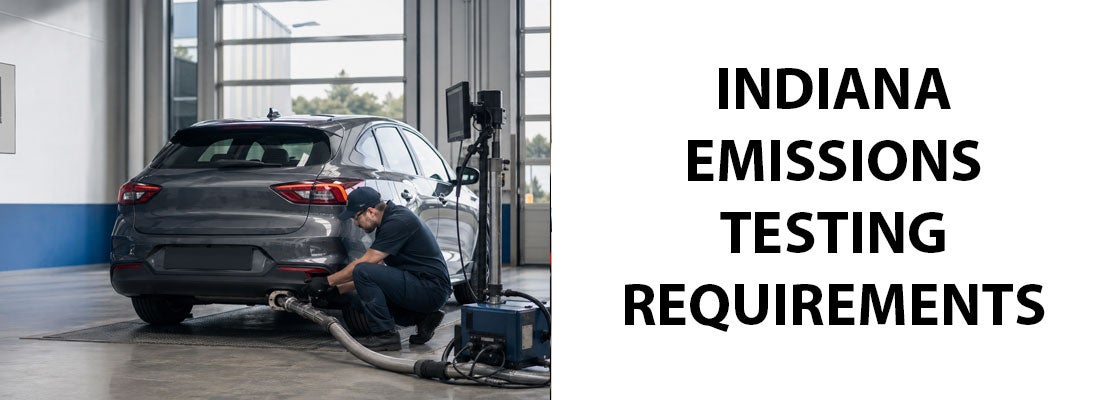
Indiana Emissions Testing Requirements

The Indiana Emissions Testing Guide: Is It Required?

Key Takeaways ● Indiana emissions testing isn’t statewide. Most drivers don’t need emissions testing, but certain counties still require it. ● Whether your vehicle needs testing depends on a few factors. Where it’s registered, its model year, fuel type, and vehicle type all play a role. ● The testing process is usually quick and straightforward. Most inspections take around 10-15 minutes if your vehicle is ready to go. ● Many failed emissions tests are an easy fix. Common issues like a loose gas cap or a check engine light can often be resolved without major repairs. ● Official Indiana vehicle emissions tests are typically free. If your vehicle qualifies for the state’s program, you generally won’t pay for the inspection itself. ● Routine maintenance goes a long way. Staying on top of regular service can help your vehicle pass the first time and avoid unnecessary headaches. If you’ve been trying to figure out Indiana emissions testing or Indiana vehicle emissions requirements, you’re definitely not the only one. A lot of states have reduced or even eliminated emissions testing over the past few years, so it’s easy to wonder if Indiana still follows the old rules or not. The short answer is yes, but only in certain parts of the state. Keep reading, and we’ll break down where emissions testing is still required, which vehicles need to be tested, how often you’ll need an inspection, what happens if your vehicle doesn’t pass, and a few other helpful tips to help navigate the process. Indiana Window Tint Laws The Guide to Indiana Lemon Laws Which Counties In Indiana Require Emissions Testing? At this point, only two counties in Indiana currently require emissions testing: Lake County and Porter County. If you live in or register your vehicle in one of the counties below, you’ll likely need to comply with Indiana’s Clean Air Car Check program. Indiana County Emissions Testing Required? Testing Frequency Lake County ✅ Yes Every 2 years Porter County ✅ Yes Every 2 years Marion County (Indianapolis) ❌ No Not Required Hamilton County ❌ No Not Required Hendricks County ❌ No Not Required Allen County ❌ No Not Required St. Joseph County ❌ No Not Required Vanderburgh County ❌ No Not Required All Other Indiana Counties ❌ No Not Required What Vehicles Require Emissions Testing in Indiana? Vehicles that commonly require Indiana emissions testing include: ● Gasoline-powered passenger cars and SUVs registered in participating counties. ● Light-duty pickup trucks and vans that are within the state's weight limits. ● Vehicles within the required model year range, as specified by Indiana’s emissions program. ● Vehicles due for their biennial (every two years) emissions inspection at registration renewal. Most gasoline-powered passenger cars, SUVs, pickup trucks, and vans with model years 1976 through 2022 are generally required to undergo emissions testing if they're registered in a participating county and have a gross vehicle weight rating (GVWR) of 9,000 pounds or less. The four newest model years are typically exempt, and eligible vehicles are tested every two years based on whether the model year is odd or even. A lot of diesel vehicles, motorcycles, electric vehicles, antique vehicles, and heavier commercial vehicles are exempt from testing. What Are the Indiana Vehicle Emissions Requirements? Whether your vehicle needs an emissions test depends on a bit more than just where you live. Indiana also considers factors like your vehicle’s age, fuel type, weight, and where it’s registered. In counties that require emissions testing, these are the general requirements: ● Registered in a participating county such as Lake or Porter County. ● Gasoline-powered vehicles are generally subject to testing, while many diesel vehicles are exempt. ● Model years that fall within the state’s testing range are generally required to be inspected, while very new and much older vehicles might be exempt. ● Testing is generally required every two years when it's time to renew your vehicle registration. ● Your vehicle must pass the emissions inspection before registration can be renewed if it’s subject to the program. Indiana Auto Insurance Requirements What’s the Process? If your vehicle needs emissions testing, the process is actually pretty straightforward and usually only takes about 10-15 minutes. Here’s a quick breakdown: 1. Confirm your vehicle needs testing. Check your registration renewal notice or verify that your vehicle is registered in a county that requires emissions testing. 2. Prepare your vehicle. Make sure the Check Engine Light isn’t on, your battery hasn’t recently been disconnected, and your vehicle has been driven enough for its emissions monitors to be ready. 3. Visit a nearby emissions testing station. A technician will verify your vehicle information and administer the appropriate inspection based on your vehicle's model year. 4. Complete the emissions test. Most newer vehicles receive an OBD-II scan, while some older qualifying vehicles might undergo a tailpipe emissions test. 5. Receive your results. If your vehicle passes, the results are sent to the state, and you’re ready to renew your registration. If it doesn’t pass, you’ll be receiving information about what needs to be repaired before coming back for a retest. What Are the Most Common Reasons For Failed Emissions Tests? ● Check Engine Light Is On: This is one of the most common reasons vehicles fail. Even if your car seems to be running fine, an illuminated check engine light often indicates some sort of emissions-related problem. ● Faulty Oxygen Sensor: Oxygen sensors help regulate your engine's air-fuel mixture. When one fails, your vehicle might produce higher emissions and trigger a check engine light. ● Loose or Damaged Gas Cap: A gas cap that isn't sealed properly can allow fuel vapors to escape, causing your vehicle to fail. ● Catalytic Converter Problems: A worn or damaged catalytic converter can't effectively reduce harmful emissions and is a common cause of test failures. ● Evaporative Emissions (EVAP) System Issues: Leaks or faulty components in the EVAP system can prevent your vehicle from meeting emissions standards. ● Not-Ready OBD Monitors: If you've recently disconnected your battery or cleared diagnostic codes, your vehicle's onboard emissions monitors might not be ready. Driving normally for several days often allows these systems to reset before testing. ● Worn Spark Plugs or Ignition Components: Engine misfires caused by worn spark plugs or ignition coils can increase emissions and cause your vehicle to fail. What Happens If You Fail? Don’t panic if your vehicle doesn’t pass the first time. A fair number of emissions failures are caused by simple routine maintenance items that can be repaired fairly quickly. Once the issue has been fixed, you can schedule a retest and get your vehicle back into compliance. What Emissions Levels Are Compliant? There isn’t one specific emissions number that every vehicle in Indiana needs to meet. Most newer vehicles simply need to pass an OBD-II diagnostic scan with no emissions-related trouble codes or check engine light. Keeping up with regular maintenance and fixing any engine issue before your inspection gives you the best chance of passing. Stay Ready for the Road Making sure your vehicle stays compliant with Indiana emissions requirements doesn’t have to be as complicated as it sounds. Once you know if your vehicle is subject to testing and understand what inspectors are looking for, it’s easy to stay ahead of any deadlines and avoid any issues. If your vehicle is due for maintenance or you're thinking about upgrading to something newer, stop by and see us at Don Hinds Ford in Fishers, Indiana. Our knowledgeable team is here to help with everything from routine service to finding the right new or pre-owned vehicle for your unique lifestyle. We can help you with all your service needs, such as transmission service, oil changes, tires, and more. New Ford Inventory Used Cars for Sale FAQs Is vehicle emissions testing still required in Indiana? Yes, but only in certain parts of the state. Most Indiana drivers don’t need regular emissions testing. However, vehicles registered in Lake and Porter counties might still be required to pass an emissions inspection before registration renewal. Where can you get vehicle emissions testing in Indiana? If your vehicle requires testing, you can visit an authorized Indiana emissions testing station in your area. Most testing locations are part of the state's Clean Air Car Check program, and you can find the nearest station based on the county where your vehicle is registered. What cars need emissions testing in Indiana? Not every vehicle needs an emissions test. Requirements depend on where your vehicle is registered, along with factors like its model year, fuel type, weight, and registration status. Most newer gasoline-powered passenger vehicles in participating counties are subject to testing, while many other vehicles are exempt. How much do Indiana vehicle emissions tests cost? In most cases, nothing at all. Indiana vehicle emissions tests are typically provided at no charge for eligible vehicles tested through authorized state emissions stations. If your vehicle fails, you might have repair costs before returning for a retest, but the test itself is generally free.