
Blog

The Best Deals at Don Hinds Ford, Inc.: Used Truck Sale | Indianapolis, IN

used truck sale Indianpolis, IN

You want to find a good used truck sale Indianapolis, IN? Don Hinds Ford, Inc. is the only place you need to go. It makes us proud to have a great selection of used trucks for sale, as well as a lot of other new and used cars for all kinds of needs. This blog post will talk about our large selection of cars and present to you our excellent service center and body shop.

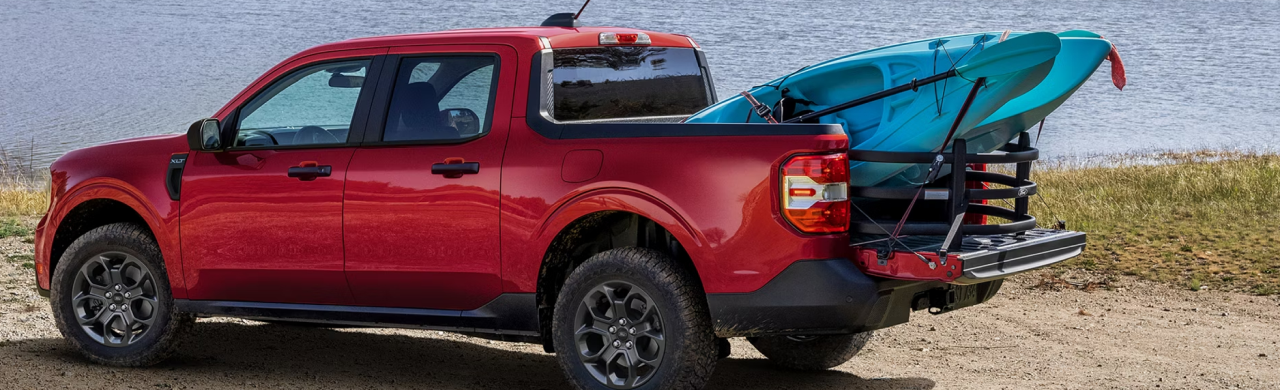
A used truck sale Indianpolis, IN at Don Hinds Ford, Inc. is a great place to search for your new ride.

Our Used Truck Sale Indianapolis, IN

We know that having options is important when looking for the right car here at Don Hinds Ford, Inc.

New Cars: We have a lot of different Ford models in our new car collection, including some with the newest technology, safety features, and designs. Our skilled sales team is here to help you find the perfect new car for your needs, whether you're looking for an SUV that's good for families, a powerful truck, or a sleek sedan.

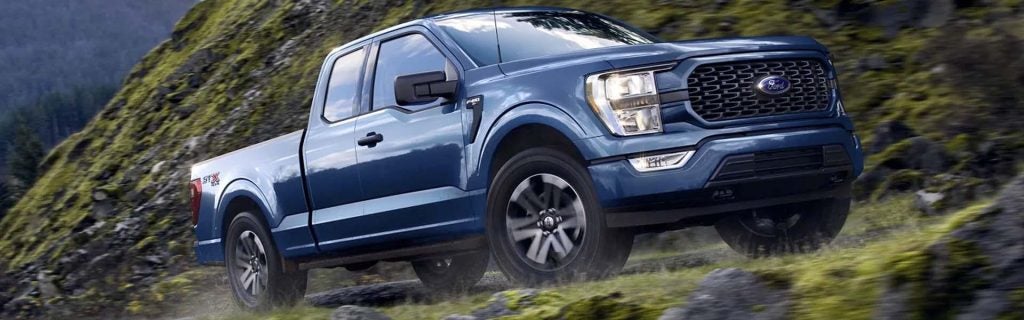
Used Vehicles: Our selection of used vehicles is sure to impress anyone who wants a cheaper choice without sacrificing quality. Along with cars, SUVs, and wagons, we have a great used truck sale Indianapolis, IN.

Why Should You Pick Don Hinds Ford, Inc.?

Our dedication to quality goes beyond the items we sell and includes the services we offer.

There is a great service department with high-quality Ford parts. Our service department has very skilled techs who only use the best Ford parts for fixes and maintenance. We use only original Ford parts to make sure that your car runs at its safest and most efficient level. The service department at our company is fully prepared to handle any job, from minor fixes to major ones.

Reliable Body Shop: Mishaps, dings, and dents happen. That's why we have a state-of-the-art body shop with skilled techs who are great at fixing collisions, getting rid of dents, painting, and more.

used truck sale Indianpolis, IN
Need some repairs? Our service and collision centers use OEM parts to fix your beloved vehicle.

Why is it so important to get regular car maintenance?

Regular checkups are important for keeping your car running well, keeping it safe, and making it last as long as possible. It lets possible problems be found and fixed quickly, which helps keep things running smoothly and saves money on repairs. Maintaining regular maintenance on your car also protects its selling value, since buyers are often interested in cars with clear service records.

Can I fix my car with replacement parts instead of original Ford parts?

Aftermarket parts might be less expensive than original Ford parts, but they might not be as good. Ford parts are made to fit your car perfectly, so they are guaranteed to work with it. Plus, a lot of the time, they come with guarantees that give you extra peace of mind. The best way to keep your car running well and reliably is to get original Ford parts from a respected service shop like Don Hinds Ford, Inc.

Be sure to call us or visit our location to learn more about our used truck sale Indianpolis, IN.
Recommended Posts

Indiana Emissions Testing Requirements

The Indiana Emissions Testing Guide: Is It Required?

Key Takeaways ● Indiana emissions testing isn’t statewide. Most drivers don’t need emissions testing, but certain counties still require it. ● Whether your vehicle needs testing depends on a few factors. Where it’s registered, its model year, fuel type, and vehicle type all play a role. ● The testing process is usually quick and straightforward. Most inspections take around 10-15 minutes if your vehicle is ready to go. ● Many failed emissions tests are an easy fix. Common issues like a loose gas cap or a check engine light can often be resolved without major repairs. ● Official Indiana vehicle emissions tests are typically free. If your vehicle qualifies for the state’s program, you generally won’t pay for the inspection itself. ● Routine maintenance goes a long way. Staying on top of regular service can help your vehicle pass the first time and avoid unnecessary headaches. If you’ve been trying to figure out Indiana emissions testing or Indiana vehicle emissions requirements, you’re definitely not the only one. A lot of states have reduced or even eliminated emissions testing over the past few years, so it’s easy to wonder if Indiana still follows the old rules or not. The short answer is yes, but only in certain parts of the state. Keep reading, and we’ll break down where emissions testing is still required, which vehicles need to be tested, how often you’ll need an inspection, what happens if your vehicle doesn’t pass, and a few other helpful tips to help navigate the process. Indiana Window Tint Laws The Guide to Indiana Lemon Laws Which Counties In Indiana Require Emissions Testing? At this point, only two counties in Indiana currently require emissions testing: Lake County and Porter County. If you live in or register your vehicle in one of the counties below, you’ll likely need to comply with Indiana’s Clean Air Car Check program. Indiana County Emissions Testing Required? Testing Frequency Lake County ✅ Yes Every 2 years Porter County ✅ Yes Every 2 years Marion County (Indianapolis) ❌ No Not Required Hamilton County ❌ No Not Required Hendricks County ❌ No Not Required Allen County ❌ No Not Required St. Joseph County ❌ No Not Required Vanderburgh County ❌ No Not Required All Other Indiana Counties ❌ No Not Required What Vehicles Require Emissions Testing in Indiana? Vehicles that commonly require Indiana emissions testing include: ● Gasoline-powered passenger cars and SUVs registered in participating counties. ● Light-duty pickup trucks and vans that are within the state's weight limits. ● Vehicles within the required model year range, as specified by Indiana’s emissions program. ● Vehicles due for their biennial (every two years) emissions inspection at registration renewal. Most gasoline-powered passenger cars, SUVs, pickup trucks, and vans with model years 1976 through 2022 are generally required to undergo emissions testing if they're registered in a participating county and have a gross vehicle weight rating (GVWR) of 9,000 pounds or less. The four newest model years are typically exempt, and eligible vehicles are tested every two years based on whether the model year is odd or even. A lot of diesel vehicles, motorcycles, electric vehicles, antique vehicles, and heavier commercial vehicles are exempt from testing. What Are the Indiana Vehicle Emissions Requirements? Whether your vehicle needs an emissions test depends on a bit more than just where you live. Indiana also considers factors like your vehicle’s age, fuel type, weight, and where it’s registered. In counties that require emissions testing, these are the general requirements: ● Registered in a participating county such as Lake or Porter County. ● Gasoline-powered vehicles are generally subject to testing, while many diesel vehicles are exempt. ● Model years that fall within the state’s testing range are generally required to be inspected, while very new and much older vehicles might be exempt. ● Testing is generally required every two years when it's time to renew your vehicle registration. ● Your vehicle must pass the emissions inspection before registration can be renewed if it’s subject to the program. Indiana Auto Insurance Requirements What’s the Process? If your vehicle needs emissions testing, the process is actually pretty straightforward and usually only takes about 10-15 minutes. Here’s a quick breakdown: 1. Confirm your vehicle needs testing. Check your registration renewal notice or verify that your vehicle is registered in a county that requires emissions testing. 2. Prepare your vehicle. Make sure the Check Engine Light isn’t on, your battery hasn’t recently been disconnected, and your vehicle has been driven enough for its emissions monitors to be ready. 3. Visit a nearby emissions testing station. A technician will verify your vehicle information and administer the appropriate inspection based on your vehicle's model year. 4. Complete the emissions test. Most newer vehicles receive an OBD-II scan, while some older qualifying vehicles might undergo a tailpipe emissions test. 5. Receive your results. If your vehicle passes, the results are sent to the state, and you’re ready to renew your registration. If it doesn’t pass, you’ll be receiving information about what needs to be repaired before coming back for a retest. What Are the Most Common Reasons For Failed Emissions Tests? ● Check Engine Light Is On: This is one of the most common reasons vehicles fail. Even if your car seems to be running fine, an illuminated check engine light often indicates some sort of emissions-related problem. ● Faulty Oxygen Sensor: Oxygen sensors help regulate your engine's air-fuel mixture. When one fails, your vehicle might produce higher emissions and trigger a check engine light. ● Loose or Damaged Gas Cap: A gas cap that isn't sealed properly can allow fuel vapors to escape, causing your vehicle to fail. ● Catalytic Converter Problems: A worn or damaged catalytic converter can't effectively reduce harmful emissions and is a common cause of test failures. ● Evaporative Emissions (EVAP) System Issues: Leaks or faulty components in the EVAP system can prevent your vehicle from meeting emissions standards. ● Not-Ready OBD Monitors: If you've recently disconnected your battery or cleared diagnostic codes, your vehicle's onboard emissions monitors might not be ready. Driving normally for several days often allows these systems to reset before testing. ● Worn Spark Plugs or Ignition Components: Engine misfires caused by worn spark plugs or ignition coils can increase emissions and cause your vehicle to fail. What Happens If You Fail? Don’t panic if your vehicle doesn’t pass the first time. A fair number of emissions failures are caused by simple routine maintenance items that can be repaired fairly quickly. Once the issue has been fixed, you can schedule a retest and get your vehicle back into compliance. What Emissions Levels Are Compliant? There isn’t one specific emissions number that every vehicle in Indiana needs to meet. Most newer vehicles simply need to pass an OBD-II diagnostic scan with no emissions-related trouble codes or check engine light. Keeping up with regular maintenance and fixing any engine issue before your inspection gives you the best chance of passing. Stay Ready for the Road Making sure your vehicle stays compliant with Indiana emissions requirements doesn’t have to be as complicated as it sounds. Once you know if your vehicle is subject to testing and understand what inspectors are looking for, it’s easy to stay ahead of any deadlines and avoid any issues. If your vehicle is due for maintenance or you're thinking about upgrading to something newer, stop by and see us at Don Hinds Ford in Fishers, Indiana. Our knowledgeable team is here to help with everything from routine service to finding the right new or pre-owned vehicle for your unique lifestyle. We can help you with all your service needs, such as transmission service, oil changes, tires, and more. New Ford Inventory Used Cars for Sale FAQs Is vehicle emissions testing still required in Indiana? Yes, but only in certain parts of the state. Most Indiana drivers don’t need regular emissions testing. However, vehicles registered in Lake and Porter counties might still be required to pass an emissions inspection before registration renewal. Where can you get vehicle emissions testing in Indiana? If your vehicle requires testing, you can visit an authorized Indiana emissions testing station in your area. Most testing locations are part of the state's Clean Air Car Check program, and you can find the nearest station based on the county where your vehicle is registered. What cars need emissions testing in Indiana? Not every vehicle needs an emissions test. Requirements depend on where your vehicle is registered, along with factors like its model year, fuel type, weight, and registration status. Most newer gasoline-powered passenger vehicles in participating counties are subject to testing, while many other vehicles are exempt. How much do Indiana vehicle emissions tests cost? In most cases, nothing at all. Indiana vehicle emissions tests are typically provided at no charge for eligible vehicles tested through authorized state emissions stations. If your vehicle fails, you might have repair costs before returning for a retest, but the test itself is generally free.

Indiana Auto Insurance Requirements

The Guide to Indiana Auto Insurance Requirements & Laws

Key Takeaways ● Indiana auto insurance is required by law before you can legally drive or register a vehicle. ● Understanding Indiana car insurance laws can help you avoid fines, license suspensions, and other penalties. ● While state minimum coverage satisfies the legal requirement, many drivers choose higher limits for added financial protection. ● Your insurance premium is influenced by factors like your driving record, age, location, vehicle, and selected coverage. ● Comparing quotes and reviewing your policy on a regular basis can help you find the right coverage at a competitive price. Whether you’re buying your first car, moving to Indiana, or just going over your current policy, understanding Indiana auto insurance requirements can save you a lot of headaches down the road. Even though Indiana car insurance laws are pretty straightforward, it’s still a good idea to know what’s required, what coverage makes sense for your situation, and how to avoid costly mistakes. In this guide, we’ll walk you through everything you need to know to get properly insured so you can drive with confidence. How Much Is Car Sales Tax in Indiana? How to Sell a Car in Indiana Indiana State Minimums for Car Insurance Indiana car insurance laws require that every driver carry at least the state’s minimum amount of liability insurance before getting behind the wheel. You’ll often hear these minimums referred to as 25/50/25, which simply means: ● 25,000 for bodily injury liability per person ● $50,000 for bodily injury liability per accident ● $25,000 for property damage liability per accident In addition to liability coverage, Indiana also requires uninsured and underinsured motorist coverage unless you choose to reject it in writing. This coverage can help pay for your injuries if you’re involved in an accident with a driver who has little or no insurance at all. Keep in mind that while these minimums are enough to meet the legal requirements for Indiana, they might not fully cover all the costs from a serious accident. Medical expenses, vehicle repairs, and legal claims can add up quickly and possibly exceed the minimum coverage limits. This is why many drivers choose higher limits for added financial protection and peace of mind. Types of Car Insurance Coverage in Indiana When shopping around for car insurance, you'll come across a variety of different types of coverage beyond Indiana's minimum requirements. Some are required by law, while others are optional but can provide really beneficial coverage for certain lifestyles. Some of the most common types of car insurance coverage include: ● Liability Insurance: Pays for injuries and property damage you cause to others in an at-fault accident. ● Collision Coverage: Helps pay to repair or replace your vehicle after a collision, regardless of who caused the accident. ● Comprehensive Coverage: Covers damage from non-collision events such as theft, vandalism, hail, falling trees, or hitting an animal. ● Uninsured and Underinsured Motorist Coverage: Helps cover your injuries if you're involved in an accident with a driver who has either little or no insurance. ● Medical Payments (MedPay): Helps pay medical expenses for you and your passengers after an accident, regardless of who was at fault. Minimum Insurance Requirements for a Leased Vehicle If you’re leasing a vehicle, expect the insurance requirements to be more demanding than the state’s minimum standards. Since the company leasing the vehicle technically owns it until the lease is up, it wants to be sure its investment is well protected. Most lease agreements require drivers to carry both comprehensive and collision coverage, which help pay for damage to the leased vehicle from accidents, theft, vandalism, hail, falling objects, and any other covered events. Penalties for Driving Without Car Insurance in Indiana Because it can be expensive, it can be tempting to let your car insurance lapse for a few months to save money, especially if you’re not driving much. While the short-term savings can be nice, you run the risk of it costing you far more in the long run. If you’re caught driving without valid insurance in Indiana or can’t provide proof of coverage when the BMV requests it, your driver’s license and vehicle registration can be suspended. Before you can legally drive again, you’ll have to pay reinstatement fees and meet the state's requirement to get everything back in good standing. In some cases, you'll also be required to file an SR-22 certificate. This document proves that you’re carrying the required insurance coverage. Drivers who need an SR-22 are usually considered higher risk, which can mean paying a higher insurance premium for several years. If your coverage lapses again during that time, plan on facing another suspension and even more fees. Indiana Car Title Search Good Auto Insurance Companies in Indiana Finding the right auto insurance is about a lot more than just getting the lowest premiums possible. It’s about choosing a company that offers dependable coverage, a smooth claims process, and fair pricing. The best insurance company for you will largely depend on things like your driving history, age, vehicle, location, and the amount of coverage you want. It’s definitely worth your time to compare quotes from several providers and could save you hundreds of dollars over the year. Some of the most popular and well-reviewed insurance companies serving Indiana include the following: ● State Farm: Known for competitive rates, a large network of local agents, and strong customer satisfaction. ● Progressive: A popular choice if you’re looking for online tools, discounts, and flexible coverage options. ● GEICO: Often offers very affordable premiums, especially for drivers with clean driving records. ● Allstate: Provides a wide range of coverage options along with accident forgiveness and safe-driving programs. ● American Family Insurance: Known for offering personalized service, multiple discounts, and solid customer support throughout the Midwest. ● Indiana Farmers Insurance: An Indiana-based insurer known for local service and coverage tailored to Hoosier drivers. ● Liberty Mutual: Known for its customizable policies and a variety of discounts for bundling and safe driving. ● Nationwide: Well-known for optional coverage add-ons and usage-based insurance programs that reward safe drivers. Insurance Company Typical Price Best For GEICO $$ Budget-conscious drivers Progressive $$ High-risk drivers and online tools State Farm $$ Local agent support Indiana Farmers $$ Indiana residents seeking local service Nationwide $$$ Usage-based discounts American Family $$$ Bundling home and auto Allstate $$$$ Comprehensive coverage options Liberty Mutual $$$$ Customizable policies How Much Does Car Insurance Cost in Indiana? It’s hard to give an accurate number when it comes to insurance costs because there are so many factors at play. But, generally speaking, Indiana is considered one of the more affordable states for car insurance compared to the national average. Most drivers pay around $40-$70 per month for minimum coverage and $120-$180 per month for full coverage. Just keep in mind that rates vary significantly depending on age, driving history, ZIP code, vehicle, and insurer. Is Indiana a No-Fault Car Insurance State? No, Indiana isn’t a no-fault car insurance state. It follows a fault-based (or at-fault) insurance system instead. This means the driver who causes an accident is generally responsible for paying for the damages, whether through their insurance company or out of pocket if necessary. If you’re injured in a crash caused by another driver, you can usually file a claim with the at-fault driver’s insurance to seek compensation for medical bills, vehicle repairs, lost wages, and other damages that might be covered. Because of this system it makes it all the more important to carry enough insurance to protect yourself financially if you’re ever the responsible party in an accident. Is Indiana a Diminished Value State? Indiana will generally allow diminished value claims but it just depends on the specific situation. A diminished value state is one where you might be able to recover compensation for the loss in your vehicle’s value after an accident that wasn’t your fault. So, even if your car is repaired perfectly, many buyers will still pay less for a vehicle with an accident history. That drop in resale value is what’s known as diminished value. Basically, if another driver causes an accident, you might be able to receive compensation not only for the cost of repairing your vehicle but also for the reduction in its market value. Indiana Mandated Car Insurance Limits Indiana’s mandated car insurance limits are what establish the minimum amount of financial protection every driver must carry to legally operate a vehicle in the state. These limits are there to make sure drivers have at least some ability to pay for injuries or property damage they might cause in an accident, rather than leaving the other party to cover the entire cost. While these limits satisfy Indiana law, they aren’t designed to necessarily cover every situation. A really serious accident can easily lead to medical bills and repair costs that exceed the minimum required coverage. A lot of drivers decide to increase their liability limits beyond what’s required or add optional coverages for greater financial protection. Drive Away With Confidence Finding the right auto insurance isn’t as complicated as it seems. Once you understand the requirements and how different coverage options protect you, you’re in a much better position to choose a policy that fits well with both your budget and your lifestyle. A little research today can help you avoid expensive surprises down the road and give you greater peace of mind every time you get behind the wheel. If you’re ready for your next vehicle, stop by Don Hinds Ford in Fishers, Indiana. Our friendly team is committed to making the car-buying process as easy and enjoyable as possible, from helping you find the right new or used vehicle to answering your financing questions and guiding you through the paperwork. We want you to leave our dealership feeling confident in both your purchase and the road ahead. We have a huge variety of new and used cars and used trucks for you to choose from. While we’re based in Fishers, we serve the entire Indianapolis area, including Carmel and Noblesville. Plus, we can help you with your service needs such as transmission repair and new tires. We can also help you accessorize your car or truck with things like bed liners and tonneau covers. New Ford Inventory Used Cars for Sale FAQs Is car insurance required in Indiana? Yes. Indiana law requires all drivers to carry at least the state's minimum required auto insurance before operating a vehicle on public roads. Driving without insurance can result in fines, license suspension, and other penalties. Do you need car insurance to register a car in Indiana? Yes. You must have proof of insurance that meets Indiana's minimum coverage requirements to register a vehicle. The state may also verify your insurance electronically. What happens if you're at fault in a car accident without insurance in Indiana? If you're at fault in an accident without insurance, you could be personally responsible for paying for the other driver's injuries, vehicle repairs, and other damages. You may also face license suspension, reinstatement fees, and other penalties under Indiana law. What is the minimum car insurance required in Indiana? Indiana requires drivers to carry minimum liability coverage that includes bodily injury and property damage liability. Many drivers choose higher coverage limits for greater financial protection in the event of a serious accident. Is Indiana a no-fault state for car insurance? No. Indiana is an at-fault state, which means the driver who causes an accident is generally responsible for paying for the resulting damages through their insurance. How much does car insurance cost in Indiana? The cost of car insurance varies depending on factors such as your age, driving history, location, vehicle, and the coverage you choose. Many drivers in Indiana pay relatively affordable rates compared to the national average, but comparing quotes from multiple insurers is still one of the best ways to find the right price.

Indiana Car Seat Rules

The Guide To Car Seat Rules In Indiana

Key Takeaways Indiana law requires all children under 8 years old to be properly secured in a child restraint system that is appropriate for their height, weight, and the manufacturer’s instructions. Children should remain rear-facing as long as possible, until they reach the rear-facing height or weight limit specified by their car seat manufacturer. After outgrowing a rear-facing seat, children should transition to a forward-facing car seat with a five-point harness before moving to a booster seat. Although Indiana law allows children age 8 and older to use a seat belt instead of a child restraint, many children should continue using a booster seat until the vehicle’s seat belt fits properly. The safest place for children under 13 years old is in the back seat whenever possible. Understanding Car Seat Rules in Indiana Keeping children properly restrained is one of the most effective ways to reduce injuries and fatalities in motor vehicle crashes. Indiana law requires children under the age of eight to ride in an appropriate child restraint system that is installed and used according to the manufacturer’s instructions. Rather than specifying one type of seat for every age, the law relies on the car seat manufacturer’s height and weight recommendations. This means parents should always consult both their vehicle owner’s manual and the car seat manual before installation. For children between the ages of 8 and 15, Indiana law requires them to be properly restrained with either a child restraint system or the vehicle’s seat belt. While this satisfies the legal requirement, safety experts often recommend continuing to use a booster seat until the seat belt fits correctly across the child’s body. Indiana Vehicle Sales Tax Indiana Lemon Laws Infant Car Seat Laws in Indiana Newborns and infants should always travel in a rear-facing infant or convertible car seat. Rear-facing seats provide the best protection for an infant’s head, neck, and spine during a collision. Indiana safety officials recommend: Rear-facing from birth Continue rear-facing until your child reaches the maximum rear-facing height or weight limit listed by the manufacturer Never place a rear-facing seat in front of an active passenger-side airbag Install the seat at the proper recline angle to protect your baby’s airway Many modern convertible car seats allow children to remain rear-facing until they weigh between 40 and 50 pounds, allowing families to keep children in the safest position much longer than older seats permitted. When to Switch from Rear-Facing to Forward-Facing Car Seats in Indiana One of the biggest misconceptions is that children should automatically switch to forward-facing at age two. In reality, age is only one consideration. The safest recommendation is to keep children rear-facing until they outgrow the rear-facing limits of their convertible seat. This often occurs between the ages of two and four, depending on the child’s size and specific car seat. Your child is generally ready to transition when: They exceed the maximum rear-facing weight limit. Their height exceeds the rear-facing limit listed by the manufacturer. Their head is too close to the top of the seat according to the manufacturer’s instructions. Once those limits are reached, children should move to a forward-facing car seat with a five-point harness. Indiana Booster Seat Requirements Indiana law requires children younger than 8 years old to ride in an appropriate child restraint system. For many children, that means using a booster seat after they have outgrown their forward-facing harness seat. A booster seat positions the vehicle’s lap and shoulder belt correctly across the child’s body, greatly improving crash protection. Most children are ready for a booster when they: Have outgrown their forward-facing harness. Meet the booster seat’s minimum height and weight requirements. Can sit properly for the entire trip. Parents should use both the lap belt and shoulder belt with a booster. Never use a booster with only a lap belt. When to Switch from a Car Seat to a Booster Seat There is no single age at which every child should switch. Instead, children should remain in a forward-facing harness until they exceed the harness seat’s maximum height or weight limits. Many children stay harnessed until they are: 5-7 years old Between 40 and 65 pounds, depending on the seat. Moving to a booster too early can reduce protection during a crash because the five-point harness distributes crash forces more effectively than a seat belt alone. Even after a child begins using a booster, they should continue using it until the vehicle’s seat belt fits correctly without assistance. A properly fitting sweat belt should: Rest low across the upper thighs Cross the center of the shoulder and chest Never touch the neck or ride across the stomach Allow the child to sit with knees bent naturally over the seat edge without slouching Most children achieve this proper fit when they reach approximately 4 feet 9 inches tall, which is usually between the ages of 8 and 12. How to Sell a Car in Indiana Indiana Car Safety Tips Following the law is only part of keeping your family safe. Here are some additional safety practices: Register your car seat with the manufacturer so you’ll receive recall notices Replace any car seat involved in a moderate or severe crash Never use an expired car seat Tighten the harness until you cannot pinch any slack at the child’s shoulder Keep bulky winter coats off children while they are buckled Use the top tether whenever your forward-facing seat requires it Have your installation inspected by a certified Child Passenger Safety Technician if you’re unsure it’s installed correctly Keep children in the back seat until at least age 13 whenever possible Safest Ford Vehicles for Families If you’re shopping for a family vehicle, Ford offers several models that consistently perform well in crash testing and include advanced driver assistance technologies. Ford Explorer The Explorer is a popular three-row SUV with generous rear-seat space, making it easier to install multiple car seats. Available safety features include adaptive cruise control, automatic emergency braking, blind-spot monitoring, lane-keeping assist, and rear cross-traffic alert. Ford Expedition Families needing maximum passenger and cargo room often choose the Expedition. Its spacious second and third rows make loading children and installing larger rear-facing seats much easier. Ford Escape The Escape offers excellent fuel economy while providing modern safety technology and good rear-seat accommodations for smaller families. Ford Edge Although no longer produced as a new model after recent model years, many used Ford Edge SUVs remain excellent family vehicles thanks to strong crash performance and roomy interiors. Ford Mustang Mach-E Families interested in an electric SUV may appreciate the Mustang Mach-E’s impressive safety ratings, advanced driver-assistance systems, and spacious rear seating. Regardless of the vehicle you drive, always verify that your child restraint is installed and compatible with your vehicle. Car Seat Rules in Indiana Conclusion If you have further questions about Indiana’s car seat laws and want to make sure your family travels safely, visiting us at Don Hinds Ford is a smart next step. Choosing a vehicle with advanced safety features, spacious seating, and the right accommodations for properly installed child safety seats can make every trip more secure and comfortable. Our knowledgeable team can help you explore SUVs, trucks, and family-friendly vehicles designed with safety in mind, so you can find the right fit for your needs and drive with confidence. Visit our showroom or browse our inventory online to discover a vehicle that helps keep your most precious passengers protected. We’re located in Fishers, but we serve the entire Indianapolis area, including Carmel and Noblesville. In addition to having a huge selection of new and used vehicles for you to choose from, including the new F-150 and Explorer, we can also help you with all of your service needs. Our technicians can help you with all your car repair and maintenance needs, including transmission maintenance and auto glass repair. New Ford Inventory Used Cars for Sale Frequently Asked Questions What are the height and weight requirements for booster seats in Indiana? Indiana law does not specify exact height or weight requirements for booster seats. Instead, parents must follow the booster seat manufacturer’s minimum and maximum height and weight limits. Most booster seats begin around 40 pounds, but requirements vary by model. Can a 5-year-old sit without a booster seat in Indiana? No. A 5-year-old must ride in an appropriate child restraint system. In most cases, this will be either a forward-facing harness seat or a booster seat, depending on the child’s size and the manufacturer’s recommendations. Can an 8-year-old stop using a booster seat in Indiana? Legally, yes. Indiana allows children aged 8 and older to use a seat belt instead of a child restraint. However, safety experts recommend continuing to use a booster until the seat belt fits properly, which is often not until the child reaches about 4 feet 9 inches tall. What are the penalties for not following Indiana car seat laws? Violating Indiana’s child restraining law is generally a Class D infraction. Drivers may face fines, and first-time offenders may qualify to have the fine waived after obtaining an approved child restraint seat. The driver, not the child’s parent or guardian, is responsible for ensuring compliance. Can children ride in the front seat in Indiana? Indiana law does not prohibit children from riding in the front seat after a certain age, but safety experts strongly recommend keeping children under 13 years old in the back seat whenever possible because airbags can seriously injure younger passengers. When should I replace a car seat? Replace a car seat if it has been involved in a moderate or severe crash, has reached its expiration date, has missing parts, or has been recalled and cannot be repaired. Is it okay to buy a used car seat? Buying a used car seat is generally discouraged unless you know its complete history. Never use a seat that has been in a crash, is expired, has missing labels or parts, or has been recalled. How can I make sure my car seat is installed correctly? Many communities offer free inspections by certified Child Passenger Safety Technicians. These professionals can verify that your child’s seat is installed correctly and fits your child properly.