

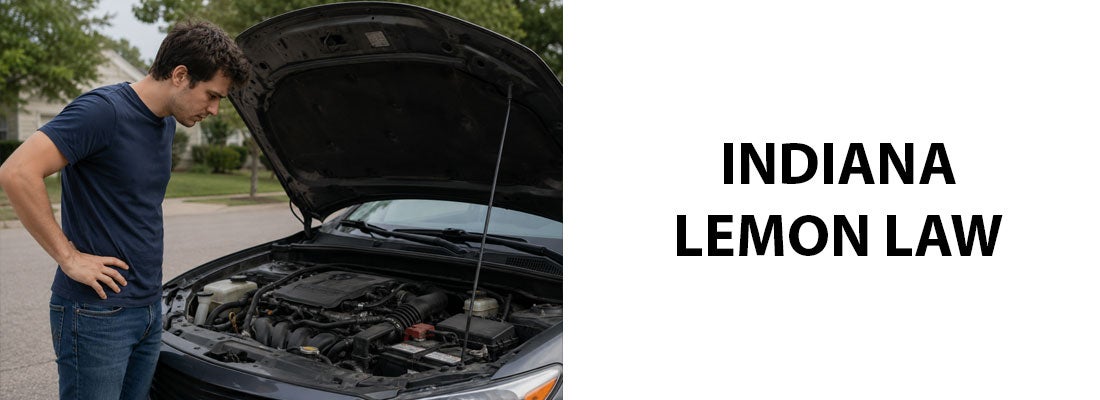
You’ve probably heard of a “lemon law” before, might not be sure how legit it is or if it’s even an active law in your state. In this article, we’re going to talk about the Indiana Lemon Law, how to know if your car is a lemon, what the law covers, and all the details you’ll want to know before buying a new or used vehicle in the Hoosier state.
Indiana Lemon Law for Used Cars
A lemon law is basically there to protect you if you end up with a car that just won’t stop having problems. It’s not about a one-time issue, but a vehicle that keeps going back to the shop for the same defect or has multiple serious problems.
In general, these laws focus more on whether the vehicle is still covered under a manufacturer’s warranty than whether it’s brand new or used. In Indiana, that means some used vehicles can still qualify if they’re under the original factory warranty. Certain vehicles like motorcycles, RVs, and heavy trucks are usually excluded. If the dealer or manufacturer can’t fix the issue after a reasonable number of attempts, lemon laws give you a way out, usually through a replacement or a refund.
What is the Lemon Law in Indiana?
In Indiana, the lemon law is called the Indiana Motor Vehicle Protection Act. Here are some of the main things that generally qualify under Indiana’s lemon law:
- The vehicle usually must be purchased or leased in Indiana
- The issue must typically happen within the first 18 months or 18,000 miles
- The defect has to substantially affect the vehicle’s use, value, or safety
- The manufacturer must have had a reasonable number of attempts to fix the problem
- In many cases, that means about 4 repair attempts for the same issue or the vehicle being out of service for around 30 business days total
What Does the Indiana Lemon Law Cover?
Indiana's lemon law basically covers pretty serious issues, not minor problems. It’s focused on things that impact how your car runs, safety concerns, and what it’s worth. Here’s a simple breakdown:
1. Major mechanical defects
Issues with the engine, transmission, or drivetrain that affect everyday performance
2. Safety-related problems
Brake issues, steering failures, or anything that could put you at risk on the road
3. Electrical system failures
Ongoing problems with sensors, wiring, or systems that cause warnings or malfunctions
4. Manufacturer-related defects
Problems caused by how the vehicle was built, not from normal wear and tear or misuse
5. Warranty-covered issues
Defects that fall under the original manufacturer’s warranty coverage
6. Problems that reduce the vehicle’s value
Repeated issues that hurt reliability or resale value, even if the car still runs
7. Unresolved or recurring issues
Problems that keep coming back or were never properly fixed
Just keep in mind that things like cosmetic flaws, minor inconveniences, or damage from accidents usually don’t qualify. The focus is mainly on real problems that shouldn’t be happening in the first place.
How Many Chances Does the Dealer Get to Fix the Problem?
A dealer or manufacturer in Indiana doesn’t get unlimited chances to fix a problem. The law looks at what’s considered a reasonable number of attempts, which usually means a handful of tries. If the problem isn’t fixed, the buyer will send a written notice explaining the issues and the receipts from the repairs to the manufacturer. The manufacturer will then have 30 days to replace the vehicle or refund your money if the notice is accepted. Those 30 days can turn into longer if arbitration, negotiation, or litigation are involved before a refund happens.
How to Know if Your Car is a Lemon
One of the biggest factors that determines whether you have a lemon is documentation. You’ll want to have records of every repair visit, including dates, mileage, and exactly what was done. If you can show a pattern of repeated attempts to fix the same issue, it really strengthens your case. Without that paper trail, it becomes much harder to prove what’s really been going on.
Another piece people often don’t think about is communication with the manufacturer. In many cases, you might need to formally notify them that the issue hasn’t been resolved. This gives them a final opportunity to step in and fix the problem. If they still just can’t get it right after that, it shows you’ve given them a very fair chance before taking further actions.
It’s also important that the problem isn’t tied to something outside the manufacturer’s control. Things like aftermarket modifications, neglect, or damage from an accident can disqualify a claim. The law is really focused on defects that were there from the start or developed naturally, not issues caused by how the vehicle was used after purchase.
How to File a Lemon Law Complaint in Indiana
1. Gather your paperwork first
Start by collecting your repair orders, warranty documents, purchase or lease agreement, and any communication with the dealer or manufacturer.
2. Write out a clear timeline
Lay out when the issue started, each time you brought the vehicle in, how long it was in the shop, and what was done during each visit.
3. Reach out to the manufacturer
Before filing anything, contact the manufacturer directly and let them know the problem still isn’t resolved. This step shows you’ve given them a fair shot.
4. Go through any required dispute program
Some warranties include an internal dispute or arbitration process. If that applies, you may need to complete it before taking the next step.
5. Stay organized and keep records moving forward
Keep track of any new repairs, emails, or calls after filing. Staying organized can make a big difference if your case continues forward.
What Happens if You Win?
If you win a lemon law claim in Indiana, you’re typically looking at either a replacement vehicle or a refund. A refund usually includes what you paid for the car, along with things like taxes and fees. Keep in mind there might be a small deduction based on how much you used the vehicle before the issues started. In some cases, the manufacturer might also cover certain costs tied to the claim, like towing or rental expenses.
How to Get a Refund
Here’s how the refund process typically plays out:
- Review and sign the agreement
You’ll get a repurchase or settlement agreement that outlines your refund and any deductions
- Coordinate returning the vehicle
Set up a time and place to hand over the car, usually at a dealership or agreed location
- Bring everything that came with the car
This includes keys, manuals, and any accessories that were part of the purchase
- Loan payoff is handled (if applicable)
If you financed the vehicle, the manufacturer will usually pay the lender directly first
- Receive the remaining refund
Any leftover balance after the loan payoff is issued to you, usually by check
- Finalize and close out the claim
Once payment is made and the vehicle is returned, the case is officially wrapped up
How to Avoid a Lemon in Indiana
Unfortunately, there’s no way to guarantee you won’t end up buying a lemon. But, there are a few things you can do to move forward with a purchase with confidence. Even with the Indiana lemon law in place, it’s always better to catch potential problems before the sale is final.
- Take a thorough test drive
Don’t just go around the block. Drive at different speeds, test the brakes, and pay attention to how it feels and handles overall
- Have a trusted mechanic look at it
Bringing in a mechanic can help catch problems that aren’t obvious during a quick walkthrough
- Get a full inspection
A professional inspection can uncover hidden issues like prior damage, worn components, or early signs of bigger problems
Indiana Lemon Law Conclusion
We all know how completely frustrating it is to deal with a vehicle that constantly has problems, especially when you rely on it every day. Understanding how the Indiana lemon law works and knowing the warning signs can help you make smarter decisions and avoid a lot of unnecessary stress.
One of the best ways to lower your chances of ending up with a lemon is buying from a reputable dealership that takes inspections and vehicle quality very seriously. If you’re looking for a vehicle you can feel more confident about, come see us at Don Hinds Ford in Fishers, Indiana. Our friendly team understands how important reliability is, and we work extra hard to offer vehicles that have been carefully looked over before they ever hit the lot. If you need a new car, we have a huge selection of vehicles for you to choose from in the Indianapolis area, including Noblesville and Carmel.
FAQs About Indiana Lemon Law
Does the Indiana lemon law apply to used cars?
Yes, some used vehicles may qualify if they are still covered under the original manufacturer’s warranty.
How many repair attempts qualify a car as a lemon in Indiana?
Indiana generally looks at whether the manufacturer had a reasonable number of opportunities to fix the problem, often around four repair attempts for the same issue.
What problems are covered under the Indiana lemon law?
The law mainly covers serious defects that affect the vehicle’s safety, value, or ability to operate properly.
Can I get a refund for a lemon vehicle in Indiana?
In some situations, yes. If the vehicle qualifies, you may receive a refund or a replacement vehicle.
Does the Indiana lemon law cover cosmetic issues?
Usually no. Minor cosmetic flaws and normal wear and tear typically aren’t covered.
What should I do if I think I bought a lemon?
Keep all repair records, document the issues carefully, and contact the manufacturer to explain that the problem still hasn’t been resolved.