

Blog / Indiana Car Laws

The Indiana Emissions Testing Guide: Is It Required?

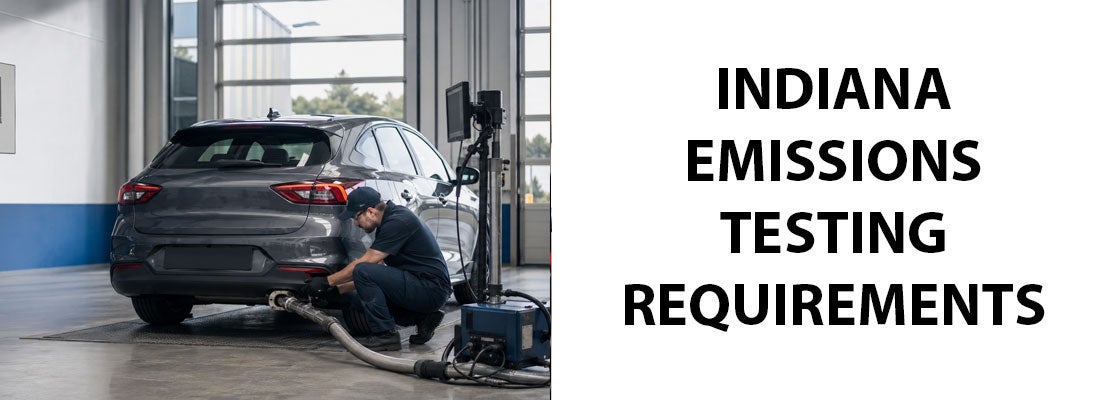
Indiana Emissions Testing Requirements

Key Takeaways 

● Indiana emissions testing isn’t statewide. Most drivers don’t need emissions testing, but certain counties still require it. 

● Whether your vehicle needs testing depends on a few factors. Where it’s registered, its model year, fuel type, and vehicle type all play a role. 

● The testing process is usually quick and straightforward. Most inspections take around 10-15 minutes if your vehicle is ready to go.

● Many failed emissions tests are an easy fix. Common issues like a loose gas cap or a check engine light can often be resolved without major repairs. 

● Official Indiana vehicle emissions tests are typically free. If your vehicle qualifies for the state’s program, you generally won’t pay for the inspection itself. 

● Routine maintenance goes a long way. Staying on top of regular service can help your vehicle pass the first time and avoid unnecessary headaches. 

If you’ve been trying to figure out Indiana emissions testing or Indiana vehicle emissions requirements, you’re definitely not the only one. A lot of states have reduced or even eliminated emissions testing over the past few years, so it’s easy to wonder if Indiana still follows the old rules or not. The short answer is yes, but only in certain parts of the state. Keep reading, and we’ll break down where emissions testing is still required, which vehicles need to be tested, how often you’ll need an inspection, what happens if your vehicle doesn’t pass, and a few other helpful tips to help navigate the process. 

Which Counties In Indiana Require Emissions Testing? 

At this point, only two counties in Indiana currently require emissions testing: Lake County and Porter County.

If you live in or register your vehicle in one of the counties below, you’ll likely need to comply with Indiana’s Clean Air Car Check program. 

Indiana County Emissions Testing Required? Testing Frequency
Lake County ✅ Yes Every 2 years
Porter County ✅ Yes Every 2 years
Marion County (Indianapolis) ❌ No Not Required
Hamilton County ❌ No Not Required
Hendricks County ❌ No Not Required
Allen County ❌ No Not Required
St. Joseph County ❌ No Not Required
Vanderburgh County ❌ No Not Required
All Other Indiana Counties ❌ No Not Required

What Vehicles Require Emissions Testing in Indiana?

Vehicles that commonly require Indiana emissions testing include: 

● Gasoline-powered passenger cars and SUVs registered in participating counties. 

● Light-duty pickup trucks and vans that are within the state's weight limits. 

● Vehicles within the required model year range, as specified by Indiana’s emissions program. 

● Vehicles due for their biennial (every two years) emissions inspection at registration renewal.

Most gasoline-powered passenger cars, SUVs, pickup trucks, and vans with model years 1976 through 2022 are generally required to undergo emissions testing if they're registered in a participating county and have a gross vehicle weight rating (GVWR) of 9,000 pounds or less. The four newest model years are typically exempt, and eligible vehicles are tested every two years based on whether the model year is odd or even. A lot of diesel vehicles, motorcycles, electric vehicles, antique vehicles, and heavier commercial vehicles are exempt from testing. 

What Are the Indiana Vehicle Emissions Requirements? 

Whether your vehicle needs an emissions test depends on a bit more than just where you live. Indiana also considers factors like your vehicle’s age, fuel type, weight, and where it’s registered. In counties that require emissions testing, these are the general requirements: 

● Registered in a participating county such as Lake or Porter County.

● Gasoline-powered vehicles are generally subject to testing, while many diesel vehicles are exempt. 

● Model years that fall within the state’s testing range are generally required to be inspected, while very new and much older vehicles might be exempt. 

● Testing is generally required every two years when it's time to renew your vehicle registration. 

● Your vehicle must pass the emissions inspection before registration can be renewed if it’s subject to the program. 

What’s the Process? 

If your vehicle needs emissions testing, the process is actually pretty straightforward and usually only takes about 10-15 minutes. Here’s a quick breakdown:

1. Confirm your vehicle needs testing. Check your registration renewal notice or verify that your vehicle is registered in a county that requires emissions testing. 

2. Prepare your vehicle. Make sure the Check Engine Light isn’t on, your battery hasn’t recently been disconnected, and your vehicle has been driven enough for its emissions monitors to be ready. 

3. Visit a nearby emissions testing station. A technician will verify your vehicle information and administer the appropriate inspection based on your vehicle's model year. 

4. Complete the emissions test. Most newer vehicles receive an OBD-II scan, while some older qualifying vehicles might undergo a tailpipe emissions test. 

5. Receive your results. If your vehicle passes, the results are sent to the state, and you’re ready to renew your registration. If it doesn’t pass, you’ll be receiving information about what needs to be repaired before coming back for a retest. 

What Are the Most Common Reasons For Failed Emissions Tests? 

● Check Engine Light Is On: This is one of the most common reasons vehicles fail. Even if your car seems to be running fine, an illuminated check engine light often indicates some sort of emissions-related problem. 

● Faulty Oxygen Sensor: Oxygen sensors help regulate your engine's air-fuel mixture. When one fails, your vehicle might produce higher emissions and trigger a check engine light. 

● Loose or Damaged Gas Cap: A gas cap that isn't sealed properly can allow fuel vapors to escape, causing your vehicle to fail.

● Catalytic Converter Problems: A worn or damaged catalytic converter can't effectively reduce harmful emissions and is a common cause of test failures. 

● Evaporative Emissions (EVAP) System Issues: Leaks or faulty components in the EVAP system can prevent your vehicle from meeting emissions standards.

● Not-Ready OBD Monitors: If you've recently disconnected your battery or cleared diagnostic codes, your vehicle's onboard emissions monitors might not be ready. Driving normally for several days often allows these systems to reset before testing. 

● Worn Spark Plugs or Ignition Components: Engine misfires caused by worn spark plugs or ignition coils can increase emissions and cause your vehicle to fail. 

What Happens If You Fail? 

Don’t panic if your vehicle doesn’t pass the first time. A fair number of emissions failures are caused by simple routine maintenance items that can be repaired fairly quickly. Once the issue has been fixed, you can schedule a retest and get your vehicle back into compliance. 

What Emissions Levels Are Compliant? 

There isn’t one specific emissions number that every vehicle in Indiana needs to meet. Most newer vehicles simply need to pass an OBD-II diagnostic scan with no emissions-related trouble codes or check engine light. Keeping up with regular maintenance and fixing any engine issue before your inspection gives you the best chance of passing. 

Stay Ready for the Road 

Making sure your vehicle stays compliant with Indiana emissions requirements doesn’t have to be as complicated as it sounds. Once you know if your vehicle is subject to testing and understand what inspectors are looking for, it’s easy to stay ahead of any deadlines and avoid any issues. 

If your vehicle is due for maintenance or you're thinking about upgrading to something newer, stop by and see us at Don Hinds Ford in Fishers, Indiana. Our knowledgeable team is here to help with everything from routine service to finding the right new or pre-owned vehicle for your unique lifestyle. We can help you with all your service needs, such as transmission service, oil changes, tires, and more.

FAQs 

Is vehicle emissions testing still required in Indiana? 

Yes, but only in certain parts of the state. Most Indiana drivers don’t need regular emissions testing. However, vehicles registered in Lake and Porter counties might still be required to pass an emissions inspection before registration renewal. 

Where can you get vehicle emissions testing in Indiana? 

If your vehicle requires testing, you can visit an authorized Indiana emissions testing station in your area. Most testing locations are part of the state's Clean Air Car Check program, and you can find the nearest station based on the county where your vehicle is registered. 

What cars need emissions testing in Indiana? 

Not every vehicle needs an emissions test. Requirements depend on where your vehicle is registered, along with factors like its model year, fuel type, weight, and registration status. Most newer gasoline-powered passenger vehicles in participating counties are subject to testing, while many other vehicles are exempt. 

How much do Indiana vehicle emissions tests cost? 

In most cases, nothing at all. Indiana vehicle emissions tests are typically provided at no charge for eligible vehicles tested through authorized state emissions stations. If your vehicle fails, you might have repair costs before returning for a retest, but the test itself is generally free.
Posted in:

Related Posts

Car Being Repossessed

Indiana Repossession Laws: Your Rights & What to Do

Key Takeaways Indiana repossession laws allow lenders to take back your vehicle if you default on your loan, sometimes after just one missed payment. Lenders generally don’t have to notify you before repossessing your car, but many will contact you about missed payments first. Indiana repo laws for cars allow repossession companies to take vehicles without a court order, but they can’t use force, threats, or breach the peace. Even after your car is repossessed, you might have options for getting it back. With that said, you could still owe money if the vehicle sells for less than your remaining loan balance. A repossession can stay on your credit report for seven years, but making on-time payments and managing debt responsibly can help you rebuild your credit. Having your car repossessed is stressful enough without worrying about what your rights are or whether you’ll still owe money afterward. And if you’ve recently missed a payment, you might be surprised to learn that your lender would have the right to repossess your vehicle after just one missed payment. Keep reading, and we’ll break down Indiana repo laws for cars, including when lenders can take your vehicle, what repossession companies can and can’t do, how to prevent repossession, and what happens to your car and credit afterward. Indiana Car Sales Tax How to Transfer A Car Title in Indiana How Many Payments Can You Miss Without Risking Repossession in Indiana? The truth is, there’s no set number of missed payments required before a lender can repossess your vehicle. In fact, some lenders can start the repossession process after just one missed payment, depending on the terms of your loan. That doesn't mean your car will automatically be repossessed if you're a few days late. Some lenders are really good to work with if you’re experiencing financial difficulties, especially if you reach out before falling further behind. Do They Notify You Before Repossession You might just assume your lender has to warn you before taking your car, but that’s not always the case. In Indiana, lenders generally aren’t required to give you advance notice before repossessing your vehicle once you’ve defaulted on your loan. However, many lenders will attempt to contact you about missed payments before taking action. If you’re falling behind, don’t ignore their calls or letters. Reaching out early could give you a chance to work out a payment arrangement and keep your car. Keep in mind that while lenders generally don't have to notify you before repossessing your car, they typically must provide notice before selling it. How to Prevent a Repossession in Indiana Here are a few steps you can take to help avoid repossession: ● Contact your lender: Explain your situation and ask about payment extensions or hardship programs. ● Catch up on missed payments: If possible, pay your past-due balance before repossession can begin. ● Consider refinancing: If you qualify, refinancing could help lower your monthly payments. ● Review your budget: Look for expenses you can temporarily cut to make your car payment more manageable. What Indiana Repossession Companies Can Do If you’ve fallen behind on your car loan, Indiana repossession companies do have the legal right to take your vehicle on behalf of your lender once you’ve defaulted. However, they must follow these certain rules: Under Indiana repossession laws, repo agents can generally: 1. Repossess your vehicle without a court order. 2. Take your car from a public parking lot or an open driveway. 3. Repossess your vehicle without notifying you beforehand. 4. Tow your vehicle away as long as they don’t breach the peace. What Can't Repossession Companies Do in Indiana? Just because you’ve fallen behind on your payments doesn’t mean you lose all your rights. Indiana law places certain restrictions on how repossession companies can recover vehicles. Repo agents generally cannot: 1. Use physical force or threaten you during repossession. 2. Break into a locked garage to access your vehicle. 3. Continue a repossession if you confront them with an objection at the scene. 4. Cause a disturbance or otherwise breach the peace. 5. Pretend to be law enforcement to pressure you into handing over your vehicle. If you believe a repossession company violated your rights, document what happened and consider speaking with an attorney. What Can You Do During a Car Repossession in Indiana It’s never fun watching someone take your car away, especially if you rely on it to get to work or take care of your family. However, you still have certain rights during the process. Here’s what you can do: ● Ask for identification: Request the repo agent’s name and the company they work for. ● Retrieve your belongings: Ask about removing your personal items from the vehicle. ● Document what happens: Take pictures or videos from a safe distance if you believe the repossession is being handled improperly. ● Voice your objections: You can tell the repo agent that you object to the repossession, but avoid a physical confrontation. ● Contact your lender: Ask whether there’s still an opportunity to resolve the missed payments. Indiana Car Title Search What You Can’t Do Even if you believe your vehicle is being wrongfully repossessed, there are still limits to what you can legally do to stop it. You should avoid the following: ● Physically confronting or threatening the repo agent. ● Damaging the tow truck or other repossession equipment. ● Attempting to remove your vehicle from a tow truck once it’s secured. ● Using force to prevent the repossession. What Happens After Your Car Has Been Repossessed After your car is repossessed, your lender will typically prepare to sell it to recover the money you owe. Before the lender sells the vehicle or enters into a contract to sell it, you generally have the right to get it back by paying the full amount owed on the loan, along with eligible repossession expenses. You should also receive notice of the sale and have an opportunity to retrieve your personal belongings. Keep in mind that if the vehicle sells for less than your outstanding loan balance, you might still owe the difference. How Long Does Repossession Stay on Your Credit Report? A car repossession can stay on your credit report for seven years, starting from the date of your first missed payment that led to the repossession. While that can sound discouraging, the good news is that you don’t have to wait seven years to start improving your credit. Paying down your debt and using your credit responsibly will help slowly rebuild your score over time. Moving Forward After a Car Repossession in Indiana Dealing with a car repossession can definitely be overwhelming, but it doesn't have to define your financial future. Whether you’re trying to avoid repossession or working to rebuild your credit afterward, understanding your rights and options can help you make much more informed decisions. And when you’re ready to get back behind the wheel, come see us at Don Hinds Ford in Fishers, Indiana. We’d be more than happy to help you explore your vehicle and financing options and find something that works for your needs and budget. We serve the entire Indianapolis area, including Noblesville and Carmel. We even serve farther areas such as Dayton and Columbus. We have a huge selection of vehicles for you to choose from, such as the new Ford F-150 and the used Toyota Tacoma. New Ford Inventory Used Cars For Sale FAQs Can you say no to the repo man? You can refuse to voluntarily hand over your vehicle, but that doesn’t necessarily stop a repossession. In Indiana, lenders can generally repossess a car without a court order as long as they don’t breach the peace. That means repo agents can’t use threats, physical force, or other unlawful tactics to take your vehicle. What happens if you never pay for your repossessed car? Having your car repossessed doesn’t automatically erase what you owe. If your lender sells the vehicle for less than your remaining loan balance, you could still be responsible for the difference, known as a deficiency balance. Unpaid debt might also be sent to collections or result in legal action. How can you improve your credit score after a repossession? Start by paying your bills on time, reducing outstanding debt, and keeping your credit card balances low. Financing another vehicle and making consistent on-time payments can also help you rebuild your credit over time. Just make sure the payments fit your budget, and the lender reports them to the credit bureau. Can a repo man take your car from your driveway in Indiana? Yes. In Indiana, repossession agents can generally take your vehicle from an open driveway without your permission or a court order if you've defaulted on your loan.

Temporary License Plate

The Guide to Indiana Temporary License Plates: Fees & Exceptions Key Takeaways

Key Takeaways ● Indiana temporary license plates allow you to legally drive a vehicle while waiting for permanent registration or transporting a newly purchased car. ● Indiana offers several types of temporary permits, including 96-hour permits, 30-day permits, and dealer-issued interim plates that are generally valid for up to 45 days. ● You typically need to visit an Indiana BMV branch to apply for a temporary permit, although licensed dealerships can issue temporary plates when you purchase a vehicle. ● You’ll need proof of ownership and the required insurance coverage to drive with temporary plates in Indiana. Fees and eligibility requirements depend on the type of permit you need. ● Indiana temporary permits issued by the BMV generally cost $18, while fees for dealership-issued temporary plates can vary. Just bought a car and wondering how to get an Indiana temporary license plate so you can legally drive it home? Whether you’re buying from a dealership or a private seller, Indiana temp tags can help you get on the road while you take care of registration. But how do you get one, how much does it cost, and how long can you use it? We’ll walk you through the different types of temporary plates in Indiana, when you need one, how to apply, and what you should know before hitting the road. Indiana Car Sales Tax How to Transfer A Car Title in Indiana Situations Where You’ll Need Temporary Plates in Indiana Temporary plates are great when you need to drive a vehicle but haven’t completed the registration process. Here are some of the most common situations when you might need them: ● Buying a car from a dealership: If you purchase a new or used vehicle the dealership can issue temporary plates so you can drive home while your title and registration paperwork is processed. ● Buying from a private seller: You might need a temporary permit to transport your newly purchased vehicle before getting it registered. ● Transporting an unregistered vehicle: If you need to move a vehicle that doesn’t have valid plates, you may qualify for a short-term permit. ● Dealing with emissions testing: If your vehicle needs repairs to pass an emissions test, you might qualify for a temporary permit that allows you additional time to complete the process. The Different Types of Indiana Temporary Plates Depending on your specific situation, Indiana offers a few different types of temporary plates and permits: 1. 96-Hour Temporary Delivery Permit This type of permit is valid for four days and allows you to transport a vehicle to certain locations, such as your home, a storage facility, or a BMV branch. It’s especially useful if you’ve purchased a vehicle from a private seller and need to get it home before registering it. 2. 30-Day Temporary Registration Permit A 30-day temporary permit may be available if you’re purchasing a vehicle in Indiana but plan to register it in another state, or if you need additional time to complete certain emissions -related requirements. Eligibility will depend on your circumstances. 3. Dealer-Issued Interim Plates If you buy a vehicle from a licensed Indiana dealership, you’ll typically receive an interim plate that allows you to still drive while the dealership handles all your registration paperwork. Dealer-issued interim plates are valid for up to 45 days after the sale, or until your permanent license plate is issued, whichever comes first. How to Sell A Car in Indiana How to Get a 30-Day Temporary Plate Online in Indiana Unfortunately, the Indiana BMV doesn't currently offer online applications for temporary permits. You'll need to visit a local BMV branch instead. To apply, bring proof of vehicle ownership, such as a title or bill of sale, along with any additional documents required for your situation. You'll also need to pay the temporary permit fee. Keep in mind that 30-day temporary plates aren't available for every situation. They're generally issued for specific circumstances, such as purchasing a vehicle in Indiana that you'll register in another state or needing additional time to meet emissions testing requirements. You can check eligibility and requirements on the Indiana BMV website. Do You Need One if You Buy a Car From a Dealership? Usually, yes, unless you can transfer an existing license plate or receive your permanent plates right away. Most Indiana dealerships can issue temporary plates when you purchase a new or used vehicle, so you won’t have to make a separate trip to the BMV before driving home. How and Where to Display Temporary Plates in Indiana Indiana temporary license plates need to be displayed on the back of your vehicle or securely attached to the left side of the rear window. Make sure the plate is completely visible and isn’t blocked by tinted glass or other obstructions. You’ll also need to keep your temporary permit or dealer-issued ownership document inside the vehicle. Insurance Requirements for Indiana Temporary Plates Yes, you need car insurance to legally drive with temporary plates in Indiana. The state requires minimum liability coverage of $25,000 per person for bodily injury, $50,000 per accident for bodily injury, and $25,000 for property damage. If you’re buying from a dealership, it’s a good idea to arrange coverage before picking up your new car. Buying a Car in Indiana? Don Hinds Ford Can Help Temporary plates might not be the most exciting part of buying a car, but they're an important step in getting you on the road. Whether you need a 96-hour permit, a 30-day permit, or dealer-issued temp tags, knowing what to expect can save you some time and hassle. If you're shopping for a new or used vehicle, stop by Don Hinds Ford in Fishers, Indiana. Our team can help you find the right car, walk you through the paperwork, and handle the temporary plates so you can spend less time worrying about registration and more time enjoying your new purchase. We have a huge selection of new and used vehicles for you to choose from, including the new F-150 and Bronco, and used trucks such as the Ram and Ford Ranger. New Ford Inventory Used Cars For Sale FAQs How do you get temporary plates in Indiana? You can get temporary plates in Indiana through a licensed dealership when purchasing a vehicle or by applying for an eligible temporary permit at an Indiana BMV. The process will depend on how you purchased your vehicle and the type of permit you need. Can you get an Indiana temporary plate online? Generally, you can’t apply for an Indiana temporary permit online through the BMV. You’ll need to visit a BMV branch. However, licensed dealerships can issue temporary plates electronically when you purchase a vehicle. What documents do you need to apply for an Indiana temporary permit? For a 96-hour temporary permit, you'll need proof of vehicle ownership, such as a title, registration, bill of sale, or certificate of origin, along with proof of insurance. Other types of temporary permits may require additional documentation depending on your situation. How much do temporary plates cost in Indiana? An Indiana BMV temporary permit generally costs $18. If you're purchasing a vehicle from a dealership, temporary plate fees will probably be handled as part of your purchase paperwork. How long are Indiana temporary plates valid? Indiana offers temporary permits valid for 96 hours or 30 days, depending on the circumstances. Dealer-issued interim plates are valid for up to 45 days after the sale or until your permanent license plate is issued, whichever comes first. Can you get a temporary plate after buying a car from a private seller? Yes. If you buy a vehicle from a private seller in Indiana, you may qualify for a 96-hour temporary delivery permit to transport it. You’ll need to visit a BMV branch with the required ownership and insurance documents.

Indiana Lost Car Title Replacement

Lost Car Titles in Indiana: Getting Your Replacement

Key Takeaways If your Indiana vehicle title is lost, stolen, damaged, or destroyed, you can request a replacement title through the Indiana BMV. Indiana vehicle title replacement can be handled in several ways, including online, in person, by mail, or at an eligible BMV Connect kiosk. Vehicles titled in the name of a business or trust might require extra documentation before a replacement title can be issued. If you’re replacing your title because you plan to sell or trade in your vehicle, taking care of it ahead of time will make the process much easier. If you’ve looked everywhere and can’t find your vehicle title, or need to replace it because of damage, don’t worry-it happens more than you might think. Fortunately, replacing a vehicle title in Indiana isn’t as complicated as it might seem. In this guide, we’ll go over how Indiana vehicle title replacement works, what you’ll need to apply for a duplicate title, how much it costs, and what you can expect from the entire process. Indiana Car Sales Tax How to Transfer A Car Title in Indiana Indiana Vehicle Title Replacement Losing your vehicle title can be frustrating, but getting a replacement is pretty straightforward. You can apply for a duplicate title through the Indiana Bureau of Motor Vehicles (BMV). You’ll typically need to provide information about yourself and the vehicle, complete the required application, and pay the replacement title fee. Once you realize it’s missing, it's a good idea to replace it sooner rather than later, especially if you’re planning to sell, trade in, or transfer ownership of the vehicle. Without the proper title, those transactions become a headache. Once you receive your replacement Indiana auto title, keep it somewhere safe, rather than storing it somewhere inside the vehicle itself. How to Get a Car Title in Indiana The Indiana BMV gives you several ways to request a duplicate title if you need to replace one that’s been lost or damaged. The best option will largely depend on how you prefer to apply and whether there are any special circumstances involving your vehicle’s title. You can request an Indiana replacement vehicle title: Online: Apply through your myBMV account if your title is eligible for online replacement. At a BMV branch: Visit an Indiana BMV location and provide the required identification and vehicle information. At a BMV Connect kiosk: Eligible replacement title requests can also be completed at a self-service kiosk. By mail: Complete the required Indiana title application and mail it along with the necessary documentation and payment A completed Application for Certificate of Title for a Vehicle (State Form 205) A copy of an unexpired photo ID A lien release, if applicable Payment for the $15 duplicate title fee by check, cashier’s check, or money order payable to the BMV, or a completed Collection of Payment Form (State Form 56163) An additional $25 fee if you request a speed title Mail the completed documents and payment to: Indiana Bureau of Motor Vehicles 100 N. Senate Ave., Room N411 Indianapolis, IN 46204 Through an authorized provider: Certain BMV-authorized Partial Service Providers can also help with title transactions. Whatever way you choose to go about replacement, make sure the information you provide matches the existing vehicle record. If you need to change ownership information, remove a lien, or make another change to the title, you might need to complete a different title transaction rather than simply requesting a replacement. What If I Have an Electronic Car Title in Indiana? If your Indiana car title is electronic, there might not be a lost title to replace in the traditional sense. Indiana has allowed vehicle owners to choose electronic titles since July 1, 2025. This basically means that your title can be stored electronically instead of mailed to you on paper. If you need a physical copy and there’s no lien on the vehicle, you can request that the BMV convert your electronic title to a paper one at no additional cost. If you’re selling or trading the vehicle to an Indiana dealer, you might not need a paper copy at all, since participating dealers can handle eligible electronic title transfers. How to Register A Car in Indiana What if It’s in the Name of a Business? If the vehicle is titled to a business, additional documentation will more than likely be required depending on who’s requesting the replacement title. It’s a good idea to check with the Indiana BMV before applying so you know what documentation you’ll need to show that you’re authorized to act for the business. What if It’s in the Name of a Trust? A vehicle titled in the name of a trust can make the replacement process a little different from replacing a title held in your own name. Before applying, check with the Indiana BMV to find out what documentation is required for your particular trust and title. Having the trust information and any relevant documents ready ahead of time can help prevent running into issues or an extra trip to the BMV. Getting a Replacement Car Title in Indiana Conclusion You probably don’t think much about your vehicle’s title until you need it and it’s nowhere to be found. Knowing what documents you need and which replacement option works for your situation can make the whole process a lot less confusing. If you’re replacing your title because you’re thinking about selling or trading in your vehicle, stop by and see us at Don Hinds Ford in Fishers, Indiana. We’re happy to help figure out your trade-in and take a look at what you might want to drive next.  Whether you’re looking for a new Ford or a dependable used truck or car, come by and see what we have on the lot. We serve everywhere near Indianapolis, including Noblesville, Carmel, and Anderson. New Ford Inventory Used Inventory Indiana Replacement Title FAQs How do I get a replacement title for my car in Indiana? If your original title has been lost, you can request a duplicate title through the Indiana BMV. Depending on your situation, you might be able to apply online, at a BMV branch, at an eligible BMV Connect kiosk, through an authorized provider, or by mail. How much does a replacement car title cost in Indiana? The standard fee for a duplicate Indiana vehicle title is $15. If you need your title more quickly, Indiana also offers a speed title option for an additional $25 fee. Can I get a replacement Indiana title online? Yes, eligible vehicle owners can request a duplicate title online through their myBMV account. Not every title situation can be handled online, though, so you might need to use another option if your title has special circumstances. How long does it take to get a replacement title in Indiana? The timeline can vary depending on how you apply. If you need the title sooner, Indiana offers a speed title option for an additional fee. If you’re planning to sell or trade in your vehicle soon, it’s smart to take care of the replacement title ahead of time. Can I sell or trade in a car without the title in Indiana? If you’ve lost your paper title, getting a replacement before selling or trading your vehicle can help prevent frustrating delays. However, Indiana also offers electronic titles, and eligible electronic titles can be transferred to participating Indiana dealers without first getting a physical paper title.