How to Transfer A Car Title

Key Takeaways 

• Knowing how to transfer a car title in Indiana can help you avoid delays, penalties, and paperwork issues. 

• Most vehicle purchases, sales, gifts, and inheritances require a title transfer through the Indiana BMV. 

• The signed title, valid identification, and supporting ownership documents are often required to complete the process. 

• Title transfer fees, registration costs, and sales tax may all apply depending on the situation. 

• Out-of-state vehicles, inherited vehicles, and vehicles with liens may require additional paperwork. 

• Many title-related services are available online, but some Indiana title transfers still require an in-person BMV visit. 

Figuring out how to transfer a car title in Indiana is a very useful thing to know. Whether you’re buying a vehicle, selling one, receiving a car from a family member, or dealing with an inherited vehicle, understanding the process ahead of time can save you a lot of frustration and confusion. 

For most people, the title transfer process is something they only deal with a handful of times. The good news is that once you know what’s required, the process is usually pretty simple. Keep reading, and we’ll walk through when you do and don’t need to transfer a title, the documents you’ll need, whether you can do it online, and a few other things worth knowing before heading to the BMV. 

How to Transfer a Car Title in Indiana

While specific situations can require additional documents, most Indiana BMV title transfer transactions follow the same basic steps: 

1. Obtain the vehicle title from the seller and make sure it’s properly signed. 

2. Complete any required odometer disclosures. 

3. Gather your identification and any supporting documents, such as a bill of sale or lien release. 

4. Visit an Indiana BMV branch and submit the required paperwork.

5. Pay any applicable title transfer fees, sales tax, registration fees, and other charges. 

6. Receive your new title and registration once the transfer is processed. 

How Long Do You Have to Transfer a Car Title in Indiana? 

In most situations, Indiana requires a vehicle title transfer to be completed within 45 days of the purchase date. Waiting too long can result in additional fees and unnecessary complications. If you’ve recently purchased a vehicle, it’s generally a good idea to complete the title transfer as soon as possible rather than waiting until the deadline. 

When Do You Need to Transfer a Car Title in Indiana? 

There are several situations where you might need to transfer a car title in Indiana, and it’s not just always when buying or selling a vehicle. That’s definitely the most common reason, but title transfers can also come up if someone gifts you a car, you inherit one from a family member, pay off a vehicle loan, or go through a divorce where ownership changes. Anytime the legal ownership of the vehicle changes, the title needs to be updated through the Indiana BMV. 

When Are You Not Allowed To Transfer a Car Title in Indiana? 

There are some situations where you might not be allowed to transfer a car title until certain problems are cleared up. Most of the time, it simply comes down to ownership issues, missing paperwork, or the vehicle itself having a special status that limits what can legally be done with it. These are all reasons why it’s always a good idea to look over the title carefully before buying or selling a vehicle. Sometimes, seemingly small issues can majorly delay things later on. 

You may not be able to transfer a car title in Indiana if: 

• There’s still an active lien on the vehicle, and the lender hasn’t released it

• The title is missing, damaged, or unreadable 

• The seller didn’t properly sign the title 

• The information on the title doesn’t match the vehicle records

• The vehicle has been declared junk or scrap 

• A salvage vehicle hasn’t completed the required inspections or the rebuilt title process 

• There are suspected fraud or ownership disputes connected to the vehicle

• Required documents are missing, such as proof of identity or odometer disclosures when applicable 

Costs and Fees 

The basic title transfer fee itself is usually pretty reasonable, but there can also be other costs tied to registration, taxes, license plates, liens, or late penalties. 

Common Indiana car title transfer fees may include: 

Indiana title transfer fee: Currently around $15 

Vehicle registration fee: Usually about $21 to $50+ 

Sales tax on vehicle purchases: 7% of the purchase price 

Duplicate title fee: Around $15 if the title is lost or damaged 

Expedited title fee: Additional charge if faster processing is requested

New license plate and registration costs: Varies by vehicle 

Lien recording fee: Small additional fee if the vehicle is financed 

Late title transfer penalties: Extra fees may apply if you wait too long 

What If You’re Trading in Your Car?

Trading in a vehicle is one of the most common title transfer situations, but it works a little differently than with a private sale. When you trade your car in at a dealership, the dealership generally handles most of the transfer paperwork for you. You’ll usually sign the title over to the dealer, provide any required documents, and the dealership will take care of transferring ownership into their name or to the new buyer. For most people, trading a vehicle in is actually one of the easiest ways to transfer ownership. 

One thing to keep in mind is that you’ll need to be listed as the legal owner on the title before you can trade the vehicle in. If there’s an active loan, the dealership will often work directly with the lender to pay off the remaining balance and obtain the lien release. If more than one owner is listed on the title, all required owners might need to sign the paperwork before the trade-in can be completed. 

Transferring a Title for a Private Sale 

A private sale is a little different because the buyer and seller are responsible for handling most of the paperwork themselves. Unlike a trade-in, where the dealership usually takes care of the title transfer process, the seller must properly sign the title over to the buyer and provide any required documents. The buyer is then responsible for submitting the paperwork to the Indiana BMV, paying any applicable taxes and fees, and completing the title transfer within the required timeframe. 

Because there isn’t a dealership involved to help catch mistakes, it’s especially important for both parties to review the title carefully and make sure all information is completed correctly before the sale is finalized. 

Pros and Cons of Trading in Your Car 

For a lot of people, the decision comes down to time versus money. If getting the highest possible price is your goal, a private sale might make the most sense. If you’d rather avoid the extra work and complete everything in one visit, trading your vehicle in can be a very appealing option. 

Pros of Trading in Your Car 

● Less hassle. The dealership handles most of the paperwork, including the title transfer. 

● Saves time. You don’t have to create listings, answer messages, or meet with potential buyers. 

● Immediate transaction. You can usually trade in your current vehicle and drive home in a different one the same day. 

● May reduce sales tax. In many situations, the value of your trade-in can reduce the taxable amount of your next vehicle purchase. 

● No need to negotiate with multiple buyers. You avoid the uncertainty that can come with private sales. 

Cons of Trading in Your Car 

● You might get less money. Dealerships typically offer less than what you could get from a private sale. 

● Less room to shop around. You’re generally working with one buyer instead of multiple interested purchasers. 

● Offer depends on market conditions. Vehicle demand, condition, mileage, and inventory levels can all affect trade-in value. 

● Convenience comes at a cost. The simplicity of a trade-in is often reflected in a lower purchase offer. 

What Documents Do You Need To Bring to the BMV? 

The exact documents you’ll need can slightly vary depending on your situation. However, most title transfers require the same basic documents. We definitely recommend making sure you have all the correct documents before heading to the BMV to save you from having to make a second trip. 

1. The vehicle title, properly signed by all required parties.

2. A valid driver’s license or other government-issued photo ID.

3. A bill of sale or proof of purchase, if applicable. 

4. An odometer disclosure statement, if required for the vehicle.

5. Proof of Indiana residency, if requested. 

6. Lien release paperwork if a loan on the vehicle has been paid off.

7. Proof of insurance if you are registering the vehicle. 

8. Any special documents for inherited, gifted, salvaged, rebuilt, or out-of-state vehicles. 

9. Payment for title fees, registration fees, taxes, and any other applicable charges. 

Can You Do It Online? 

While it would be really nice and convenient, you aren’t able to complete the entire title transfer process online. Indiana BMV offers a lot of services online, but most vehicle title transfers still require paperwork to be submitted and, in many cases, an in-person visit. This is especially the case for private party sales, inherited vehicles, out-of-state titles, and situations involving liens or other special circumstances. 

With that said, there are still some parts of the process that can be handled online. You might be able to schedule appointments, check requirements, update information, pay certain fees, or manage other vehicle-related services through the Indiana BMV website. 

What If You Buy From Out of State? 

Transferring the title on a car you bought out of state generally just requires a few extra steps in the process when you go to title it in Indiana. In addition to bringing the signed title, bill of sale, and your identification, you might also need a VIN inspection to verify the vehicle’s identity before an Indiana title can be issued. 

You’ll also be responsible for paying Indiana sales tax, title fees, and registration fees as part of the process. Because requirements can vary depending on the state the vehicle came from, it’s a good idea to review the paperwork carefully before purchasing and make sure you receive everything needed to complete the title transfer once you get back to Indiana. 

How To Transfer A Car Title in Indiana Conclusion 

Whether you’re buying your first vehicle or you’ve been through the process several times before, having the right information up front makes the whole process that much easier. If you’re in the market for a vehicle, stop by and see us at Don Hinds Ford in Fishers. Our team is committed to making the car-buying experience straightforward and enjoyable, with a great selection of new and pre-owned vehicles and friendly people who are here to help every step of the way. We have a huge selection of new and used vehicles for sale, including F-150s, Explorers, Expeditions, and more.

FAQs About Car Title Transfers in Indiana 

How long do you have to transfer a car title in Indiana? 

In most cases, Indiana requires the buyer to transfer the title within 45 days of the vehicle purchase date. 

How much does it cost to transfer a car title in Indiana? 

The title transfer fee is typically around $15, but you may also owe registration fees, sales tax, and other applicable charges. 

Can you transfer a car title online in Indiana? 

Some title-related services can be completed online, but many title transfers still require paperwork and, in some cases, a visit to the Indiana BMV. 

What documents do I need to transfer a car title in Indiana? 

You’ll generally need the signed title, a valid photo ID, and any supporting documents such as a bill of sale, lien release, or odometer disclosure.

Do I need to transfer the title if I inherit a vehicle in Indiana? 

Yes. Inherited vehicles typically require a title transfer, though additional documents may be needed depending on the circumstances.

How To Sell A Car in Indiana

Knowing the process of how to sell a car in Indiana is something very helpful to understand, especially when it’s time to upgrade, downsize, or just put some extra cash in your pocket. Selling a car in Indiana is a process lots of drivers will eventually go through. While it might seem straightforward, there are several tips that can help you avoid headaches, stay compliant with Indiana law, and make the transaction go more smoothly. 

How to Sell a Car in Indiana 

1. Gather your documents. 

2. Determine your vehicle’s value. 

3. Choose how you want to sell. 

4. Prepare the vehicle. 

5. Meet with buyers safely. 

6. Complete the title transfer. 

7. Remove your license plate if applicable. 

8. Keep copies of your records. 

What Are the Different Ways to Sell a Car in Indiana? 

If you’re looking to sell a car in Indiana, there are several solid options to consider. It really boils down to how quickly you want it sold, how much effort you’re willing to put in, and how important getting top dollar out of the vehicle is to you. Some methods are fast and convenient, while others can help you maximize the amount you can get for your vehicle. 

● Trade In Your Vehicle 

Trading in your vehicle is one of the most popular ways to sell a car in Indiana and is usually the easiest as well. Instead of finding a buyer yourself, you bring your vehicle to a dealership, receive an appraisal, and apply the value toward another vehicle purchase. The whole process can often be completed in a single visit. 

This option is so convenient because you don’t have to create listings, answer messages, schedule test drives, or worry about paperwork. In many cases, a trade-in can also reduce the amount of sales tax you pay on your next vehicle because the trade-in value is applied to the purchase price. 

● Sell Your Car Privately 

If your goal is to get the highest possible price, selling your car privately is usually your best bet. Private buyers are generally willing to pay more than a dealership because they’re purchasing the vehicle directly rather than reselling it for a profit. 

However, a private sale will usually take more effort on your part. You’ll need to advertise the vehicle, respond to inquiries, meet with potential buyers, and handle the title transfer process. While it might take longer to get the price you want, most Indiana vehicle owners find it’s worth the extra effort when maximizing the sale price is the top priority. 

● Get an Instant Cash Offer 

An instant cash offer can be a great option if you want to sell your car quickly without buying another vehicle. Many dealerships and online vehicle-buying services allow you to provide basic information about your car and receive an estimated offer in a matter of minutes. 

Once the vehicle is inspected and the offer is confirmed, you can often complete the sale the same day. This option combines much of the convenience of a trade-in with the flexibility of selling outright, making it a popular choice for drivers who want a fast and straightforward transaction.

● Sell to a Car-Buying Company 

Another way to sell a car in Indiana is through a company that specializes in purchasing used vehicles. These businesses typically buy vehicles directly from owners and handle much of the paperwork involved in the transaction. 

The process is usually simple and efficient. After receiving an appraisal, you can choose whether to accept the offer. Some companies even provide vehicle pickup services. While the offer may not always be as high as a private-party sale, many people appreciate the speed and convenience. 

What Documents Do You Need To Sell a Car in Indiana 

Having the right documents ready to go before selling a car in Indiana is always something we recommend. It just makes everything run smoothly and helps prevent delays. While every situation is a little different, these are the main documents you’ll need: 

1. The Vehicle Title 

The title is the most important document in the transaction. You’ll need to properly sign the title over to the buyer and complete any required sections related to the sale. 

2. An Indiana Auto Bill of Sale 

An Indiana auto bill of sale isn’t always required by law, but it can provide valuable documentation for both parties. A bill of sale generally includes the buyer’s and seller’s information, the vehicle’s details, the sale price, and the date of the transaction. 

3. Odometer Disclosure Information 

Federal law requires an odometer disclosure for many vehicle sales. In some cases, this information is included directly on the title, while other transactions may require additional documentation.

4. Valid Identification 

Buyers and sellers should have a valid government-issued photo ID available to verify their identities and complete any required paperwork. 

5. Lien Release (If Applicable) 

If the vehicle previously had a loan against it, you’ll likely need documentation showing that the lien has been satisfied before ownership can be transferred. 

6. Vehicle Maintenance Records (Optional) 

While not required, service records, repair receipts, and maintenance history can help build buyer confidence and might make it easier to sell the vehicle. 

Indiana Title Transfer Requirements 

One of the most important parts of selling a car in Indiana is properly transferring the title. To complete the transfer, the seller must sign the title, provide any required odometer disclosure information, and give the title to the buyer. If there is an active lien on the vehicle, a lien release may also be required. 

After the sale, the buyer is generally responsible for applying for a new title through the Indiana BMV. Indiana typically requires title transfers to be completed within 45 days of the purchase date to avoid potential penalties or additional fees. 

How to Get Your Car Ready For the Sale 

A clean, detailed car will generally sell faster and for a higher price than one that looks a little rough around the edges. An impressive first appearance can have a very positive impact.

Start by washing the exterior, cleaning the interior, and removing any personal belongings from the vehicle. Next, gather important records that buyers might want to see. Maintenance receipts, service records, and documentation for recent repairs can help demonstrate that the vehicle has been well cared for. If you have an owner’s manual, extra key fobs, or original paperwork, it’s a good idea to have those ready as well. 

Also, before showing the vehicle, make sure to take care of any minor maintenance issues that could potentially turn buyers away. Replacing burned-out bulbs, topping off fluids, and checking tire pressure can all help the car show better. Finally, take clear photos in good lighting and write an honest description that highlights the vehicle’s features, condition, and maintenance history. 

How to Safely Meet Buyers 

If you’re planning on privately selling a vehicle in Indiana, meeting with potential buyers is just a normal part of the process. However, you’ll definitely want to take a few precautions before handing over your keys. Whenever possible, arrange to meet in a busy public place during daylight hours. Many police departments have designated safe exchange areas, but bank parking lots, shopping centers, and other well-trafficked locations are also great options. It’s also a good idea to communicate through the marketplace platform or by phone before meeting. This helps legitimize if the buyer is serious about the purchase. 

Avoid sharing unnecessary personal information, and be cautious of buyers who pressure you to meet in isolated locations or who seem unwilling to answer very basic questions. Just remember that if something feels off, it’s totally fine to end the conversation and move on to another buyer. 

It’s also a good idea to tell a friend or family member where you’re going and when you’ll be back. If possible, bring someone with you to the meeting. If the buyer decides to purchase the vehicle, you might consider completing the paperwork at a bank or financial institution where funds can be verified before the title is signed over. 

Safe Test Drive Tips 

● Verify that the buyer has a valid driver’s license before allowing them to drive 

● Confirm that your vehicle is properly insured before the test drive

● Plan the test-drive route ahead of time and stick to familiar roads

● Ride along during the test drive rather than letting the buyer take the vehicle alone 

● Remove valuables and personal information from the vehicle before meeting the buyer 

● Keep the test drive reasonably short while still giving the buyer time to evaluate the vehicle 

Gifting vs Selling a Car in Indiana 

When transferring a vehicle to someone else, you’ll generally have two options: gifting the car or selling it. A sale involves exchanging the vehicle for money and documenting the agreed-upon purchase price during the title transfer process. This is by far the most common way things are handled when ownership is changing hands between parties that aren’t related. 

Gifting a car means transferring ownership without receiving payment. This is most often done between family members, such as parents and children or spouses. If no money is actually being exchanged, documenting the transfer as a gift is generally the most accurate way to handle the transaction. 

While both ways of doing things are legal in Indiana, they can have different tax implications. In a traditional sale, the buyer is typically responsible for paying Indiana sales tax when transferring the title. With a gifted vehicle, the tax treatment might be different depending on the relationship between the parties and the circumstances of the transfer. For example, certain transfers between qualifying family members may be exempt from Indiana sales tax, making a gift transfer more advantageous in some situations. 

Selling a Car in Indiana Conclusion 

Selling a vehicle is really about finding the approach that works best for your specific situation. Whether you’re trading it in, selling it privately, or taking advantage of an instant cash offer, a little preparation and having the right paperwork can go a very long way toward making the process less stressful. 

And if selling your current vehicle is the first step toward getting behind the wheel of something different, stop by and check out our inventory at Don Hinds Ford in Fishers, Indiana. Drivers throughout the area continue to choose us because of our large selection, transparent buying experience, and friendly staff. We’d love the opportunity to help with your next vehicle purchase. 

How to Sell a Car in Indiana FAQs 

What are the best websites to sell a car in Indiana? 

Some of the most popular websites for selling a car in Indiana include Facebook Marketplace, AutoTrader, Cars.com, CarGurus, and Craigslist. Many dealerships also offer instant cash offers if you’d rather avoid listing the vehicle yourself. 

Can you sell a car in Indiana if you still owe money on it? 

Yes, you can sell a car with an outstanding loan, but the lien must be satisfied before ownership can be fully transferred. Many buyers and dealerships work directly with the lender to pay off the remaining balance as part of the sale. 

Where do you sign the title when selling a car in Indiana?

The seller typically signs the designated seller section on the back of the title. Be sure to carefully follow the instructions on the title, as mistakes can delay the transfer process and might require a replacement title. 

Do you need a notary to sell a car in Indiana? 

In most cases, Indiana doesn’t require a vehicle title to be notarized for a standard private-party vehicle sale. However, requirements can change, so it’s always a good idea to verify current Indiana BMV requirements before completing the transaction. 

How long do you have to transfer a car title in Indiana? 

Indiana generally requires the buyer to apply for a new title within 45 days of purchasing the vehicle. Delays can result in additional fees or complications during the registration process. 

Do I need an Indiana auto bill of sale to sell my car? 

An Indiana auto bill of sale isn’t always required, but it can be a valuable document for both the buyer and seller. It provides proof of the transaction and can help document the sale price, vehicle information, and date of sale. 

What documents do I need to sell a car in Indiana? 

Most sellers will need the vehicle title and a valid form of identification. Depending on the situation, an Indiana auto bill of sale, odometer disclosure information, and lien release documents may also be needed.


Ford Maverick Hybrid

This content was aggregated from local dealer and data and insights provided by the USA Today Network Automotive Insights team using Google Gemini and the Vehicles For Sale Near Indianapolis Star Edition marketplace writing team.

The Efficient 2026 Ford Maverick XL Hybrid: Ready for Indiana Roads

Looking for a smart and capable truck that doesn’t compromise on fuel economy? The new Ford Maverick XL Hybrid offers an impressive blend of utility and efficiency, making it an excellent choice for daily driving and light hauling. This compact pickup is designed to handle the varied demands of Indiana commuting, from city streets in Fishers to longer highway stretches.

Key Highlights of the 2026 Ford Maverick XL Hybrid

  • Exceptional fuel efficiency with 42 MPG in the city and 35 MPG on the highway.
  • Equipped with a responsive 2.5L Hybrid Engine and Power-Split Electric CVT.
  • Advanced safety features like Pre-Collision Assist with Pedestrian Detection.
  • Modern connectivity including Apple CarPlay/Android Auto and a 5G Modem.
  • Practical SuperCrew body type with four doors for easy access.
  • Capable of towing up to 2,000 lbs and carrying a standard payload of 1,500 lbs.

Driving Performance & Capability

Under the hood, this 2026 Ford Maverick XL features a 2.5L Hybrid Engine, delivering 162 HP at 5600 RPM. Paired with a smooth Power-Split Electric CVT transmission and Front-Wheel Drive (FWD), it provides a balanced and efficient ride. This setup is particularly well-suited for navigating busy streets and open roads alike, offering a comfortable drive whether you’re heading to work or embarking on a weekend adventure. With a towing capacity of 2,000 lbs and a standard payload of 1,500 lbs, the ford maverick is ready for a variety of tasks, from hauling gear for home projects to towing a small trailer.

Comfort & Technology Features

Step inside the Carbonized Gray Metallic exterior to find a cabin designed for convenience. The Front Cloth Bucket Seats offer a comfortable ride, while the Navy Pier – Black/Slate interior provides a clean and modern look. Technology is at your fingertips with Apple CarPlay/Android Auto smart device mirroring, allowing seamless integration of your smartphone for navigation, music, and communication. The 5G Modem – Ford Connectivity Package ensures you stay connected with mobile hotspot internet access, making every trip more enjoyable. For those who appreciate premium sound, the available B&O Unleashed Sound System by Bang & Olufsen Radio delivers clear audio.

Safety & Reliability

Safety is a priority in the 2026 Ford Maverick XL. It comes equipped with Pre-Collision Assist with Pedestrian Detection, a system designed to help prevent accidents by alerting you to potential hazards. A rear-mounted camera makes parking and backing up easier and safer. These features work together to give you more confidence on the road, providing peace of mind for you and your passengers.

Quick Specifications Summary

  • Year: 2026
  • Make: Ford
  • Model: Maverick
  • Trim: XL
  • Exterior Color: Carbonized Gray Metallic
  • Doors: 4
  • Transmission: Power-Split Electric CVT
  • Drive Type: FWD
  • Engine: 4-Cylinder 2.5L Hybrid, 162 HP @ 5600 RPM
  • City MPG: 42
  • Highway MPG: 35
  • Combined MPG: 38
  • Standard Payload: 1500 lbs
  • Towing Capacity: 2000 lbs
  • Wheel Base: 121.1 in

Get Your New Ford Maverick Today

Ready to see how the 2026 Ford Maverick XL Hybrid fits into your life? Its impressive fuel efficiency and practical features make it an ideal vehicle for navigating Indiana’s roads and beyond. Visit Don Hinds Ford in Fishers to get a closer look at this versatile truck. Our team is here to help you understand all its benefits and answer any questions you may have. Stop by our dealership at 12610 Ford Dr. in Fishers, Indiana, or call us at (317) 849-9000 to learn more about this exciting model.

Written for Don Hinds Ford
By the USA TODAY Network Automotive Insights Team, in collaboration with
https://vehiclesforsalenearindianapolis.com and the Vehicles For Sale Near Indianapolis Star Edition.

Ford F-350 Super Duty

This content was aggregated from local dealer and data and insights provided by the USA Today Network Automotive Insights team using Google Gemini and the Vehicles For Sale Near Indianapolis Star Edition marketplace writing team.

The Powerful 2026 Ford F-350 XLT: Built for Tough Jobs at Don Hinds Ford in Fishers

For those who demand serious capability and unwavering strength, the 2026 Ford F-350 XLT stands ready. This heavy-duty truck is engineered to tackle the most demanding tasks, from hauling heavy loads to navigating challenging terrain. If you’re looking for a new ford super duty f-350 that combines raw power with advanced features, look no further than Don Hinds Ford in Fishers.

Key Highlights of the 2026 Ford F-350 XLT

  • Robust V8 Engine with 430 Horsepower
  • Impressive 4235 lbs Standard Payload Capacity
  • Substantial 14000 lbs Towing Capacity
  • Advanced 4×4 Drivetrain for All-Terrain Performance
  • Equipped with SYNC 4 for Seamless Connectivity
  • Includes FX4 Off-Road Package for Enhanced Capability
  • Features Snow Plow Prep Package for Winter Work
  • Enhanced Safety with Pre-Collision Assist and Automatic Emergency Braking

Driving Performance & Capability

The 2026 Ford F-350 XLT is built to perform. Under the hood, a powerful V8 engine delivers a robust 430 horsepower at 5500 RPM, providing the muscle needed for any job. This engine pairs with a smooth 10-speed Automatic TorqShift transmission, ensuring efficient power delivery whether you’re cruising on the highway or pulling a heavy trailer.

This ford super duty f-350 is specifically designed for various work and towing needs. With a standard payload capacity of 4235 lbs and a towing capacity of 14000 lbs, it handles large equipment, materials, and trailers with ease. The 4×4 drivetrain, combined with the FX4 Off-Road Package, means this truck is ready for unpaved roads and rough conditions. The FX4 package adds features like a Unique FX4 Off-Road Box Decal, Hill Descent Control, and Off-Road Specifically Tuned Shock Absorbers. For added protection, Transfer Case and Fuel Tank Skid Plates are included. For those in colder climates, the Snow Plow Prep Package is a valuable addition, making this truck a true year-round workhorse. The 5th Wheel Hitch Prep Package also makes it simple to set up for serious towing.

Comfort & Technology Features

While built for work, the 2026 F-350 XLT does not compromise on comfort or technology. Inside, you’ll find Premium Trimmed Front Bucket Seats and a Large Center Console, providing a comfortable and organized cabin. Stay connected and entertained with SYNC 4, which includes AppLink, Apple CarPlay, and Android Auto smart device wireless mirroring. A 5G Modem with the Ford Connectivity Package offers mobile hotspot internet access, keeping you in touch even when on the go. For an elevated audio experience, the B&O Unleashed Sound System by Bang & Olufsen Radio is on board. Practical features like Upfitter Switches (6) allow for easy integration of aftermarket accessories.

Safety & Reliability

Safety is a priority in the 2026 Ford F-350 XLT. It comes equipped with Pre-Collision Assist with Automatic Emergency Braking (AEB) forward collision mitigation, helping to prevent accidents. A Rear mounted camera assists with backing up and hitching trailers, adding to overall confidence and safety.

Quick Specifications Summary

  • Year: 2026
  • Make: Ford
  • Model: F-350
  • Trim: XLT
  • Exterior Color: White
  • Doors: 4
  • Body Type: Crew Cab
  • Drive Type: 4×4
  • Transmission: Automatic
  • Engine: V8, 430 HP
  • Standard Payload: 4235 lbs
  • Towing Capacity: 14000 lbs
  • Mileage: 13

Ready for Your Toughest Tasks?

The 2026 Ford F-350 XLT is more than just a truck; it’s a partner for your most demanding jobs. With its powerful engine, impressive towing and payload capacities, and advanced features, it’s engineered to exceed expectations. If you’re searching for a 2026 ford super duty near me f-350 that delivers on all fronts, visit Don Hinds Ford in Fishers today. Our team is ready to show you all the capabilities of this incredible truck. Stop by our dealership at 12610 Ford Dr. in Fishers, Indiana, or call us at (317) 849-9000 to learn more and schedule your visit.

Written for Don Hinds Ford
By the USA TODAY Network Automotive Insights Team, in collaboration with
https://vehiclesforsalenearindianapolis.com and the Vehicles For Sale Near Indianapolis Star Edition.

Indiana Lemon Law

You’ve probably heard of a “lemon law” before, might not be sure how legit it is or if it’s even an active law in your state. In this article, we’re going to talk about the Indiana Lemon Law, how to know if your car is a lemon, what the law covers, and all the details you’ll want to know before buying a new or used vehicle in the Hoosier state. 

Indiana Lemon Law for Used Cars 

A lemon law is basically there to protect you if you end up with a car that just won’t stop having problems. It’s not about a one-time issue, but a vehicle that keeps going back to the shop for the same defect or has multiple serious problems. 

In general, these laws focus more on whether the vehicle is still covered under a manufacturer’s warranty than whether it’s brand new or used. In Indiana, that means some used vehicles can still qualify if they’re under the original factory warranty. Certain vehicles like motorcycles, RVs, and heavy trucks are usually excluded. If the dealer or manufacturer can’t fix the issue after a reasonable number of attempts, lemon laws give you a way out, usually through a replacement or a refund. 

What is the Lemon Law in Indiana? 

In Indiana, the lemon law is called the Indiana Motor Vehicle Protection Act. Here are some of the main things that generally qualify under Indiana’s lemon law: 

  • The vehicle usually must be purchased or leased in Indiana
  • The issue must typically happen within the first 18 months or 18,000 miles 
  • The defect has to substantially affect the vehicle’s use, value, or safety 
  • The manufacturer must have had a reasonable number of attempts to fix the problem
  • In many cases, that means about 4 repair attempts for the same issue or the vehicle being out of service for around 30 business days total 

What Does the Indiana Lemon Law Cover? 

Indiana’s lemon law basically covers pretty serious issues, not minor problems. It’s focused on things that impact how your car runs, safety concerns, and what it’s worth. Here’s a simple breakdown: 

1. Major mechanical defects 

Issues with the engine, transmission, or drivetrain that affect everyday performance 

2. Safety-related problems 

Brake issues, steering failures, or anything that could put you at risk on the road 

3. Electrical system failures 

Ongoing problems with sensors, wiring, or systems that cause warnings or malfunctions 

4. Manufacturer-related defects 

Problems caused by how the vehicle was built, not from normal wear and tear or misuse 

5. Warranty-covered issues 

Defects that fall under the original manufacturer’s warranty coverage

6. Problems that reduce the vehicle’s value 

Repeated issues that hurt reliability or resale value, even if the car still runs 

7. Unresolved or recurring issues 

Problems that keep coming back or were never properly fixed 

Just keep in mind that things like cosmetic flaws, minor inconveniences, or damage from accidents usually don’t qualify. The focus is mainly on real problems that shouldn’t be happening in the first place. 

How Many Chances Does the Dealer Get to Fix the Problem?

A dealer or manufacturer in Indiana doesn’t get unlimited chances to fix a problem. The law looks at what’s considered a reasonable number of attempts, which usually means a handful of tries. If the problem isn’t fixed, the buyer will send a written notice explaining the issues and the receipts from the repairs to the manufacturer. The manufacturer will then have 30 days to replace the vehicle or refund your money if the notice is accepted. Those 30 days can turn into longer if arbitration, negotiation, or litigation are involved before a refund happens. 

How to Know if Your Car is a Lemon

One of the biggest factors that determines whether you have a lemon is documentation. You’ll want to have records of every repair visit, including dates, mileage, and exactly what was done. If you can show a pattern of repeated attempts to fix the same issue, it really strengthens your case. Without that paper trail, it becomes much harder to prove what’s really been going on. 

Another piece people often don’t think about is communication with the manufacturer. In many cases, you might need to formally notify them that the issue hasn’t been resolved. This gives them a final opportunity to step in and fix the problem. If they still just can’t get it right after that, it shows you’ve given them a very fair chance before taking further actions. 

It’s also important that the problem isn’t tied to something outside the manufacturer’s control. Things like aftermarket modifications, neglect, or damage from an accident can disqualify a claim. The law is really focused on defects that were there from the start or developed naturally, not issues caused by how the vehicle was used after purchase. 

How to File a Lemon Law Complaint in Indiana 

1. Gather your paperwork first 

Start by collecting your repair orders, warranty documents, purchase or lease agreement, and any communication with the dealer or manufacturer. 

2. Write out a clear timeline 

Lay out when the issue started, each time you brought the vehicle in, how long it was in the shop, and what was done during each visit.

3. Reach out to the manufacturer 

Before filing anything, contact the manufacturer directly and let them know the problem still isn’t resolved. This step shows you’ve given them a fair shot. 

4. Go through any required dispute program 

Some warranties include an internal dispute or arbitration process. If that applies, you may need to complete it before taking the next step.

5. Stay organized and keep records moving forward

Keep track of any new repairs, emails, or calls after filing. Staying organized can make a big difference if your case continues forward. 

What Happens if You Win? 

If you win a lemon law claim in Indiana, you’re typically looking at either a replacement vehicle or a refund. A refund usually includes what you paid for the car, along with things like taxes and fees. Keep in mind there might be a small deduction based on how much you used the vehicle before the issues started. In some cases, the manufacturer might also cover certain costs tied to the claim, like towing or rental expenses. 

How to Get a Refund 

Here’s how the refund process typically plays out: 

  • Review and sign the agreement 

You’ll get a repurchase or settlement agreement that outlines your refund and any deductions 

  • Coordinate returning the vehicle 

Set up a time and place to hand over the car, usually at a dealership or agreed location

  • Bring everything that came with the car 

This includes keys, manuals, and any accessories that were part of the purchase 

  • Loan payoff is handled (if applicable) 

If you financed the vehicle, the manufacturer will usually pay the lender directly first 

  • Receive the remaining refund 

Any leftover balance after the loan payoff is issued to you, usually by check 

  • Finalize and close out the claim 

Once payment is made and the vehicle is returned, the case is officially wrapped up 

How to Avoid a Lemon in Indiana 

Unfortunately, there’s no way to guarantee you won’t end up buying a lemon. But, there are a few things you can do to move forward with a purchase with confidence. Even with the Indiana lemon law in place, it’s always better to catch potential problems before the sale is final. 

  • Take a thorough test drive 

Don’t just go around the block. Drive at different speeds, test the brakes, and pay attention to how it feels and handles overall 

  • Have a trusted mechanic look at it 

Bringing in a mechanic can help catch problems that aren’t obvious during a quick walkthrough 

  • Get a full inspection 

A professional inspection can uncover hidden issues like prior damage, worn components, or early signs of bigger problems 

Indiana Lemon Law Conclusion

We all know how completely frustrating it is to deal with a vehicle that constantly has problems, especially when you rely on it every day. Understanding how the Indiana lemon law works and knowing the warning signs can help you make smarter decisions and avoid a lot of unnecessary stress. 

One of the best ways to lower your chances of ending up with a lemon is buying from a reputable dealership that takes inspections and vehicle quality very seriously. If you’re looking for a vehicle you can feel more confident about, come see us at Don Hinds Ford in Fishers, Indiana. Our friendly team understands how important reliability is, and we work extra hard to offer vehicles that have been carefully looked over before they ever hit the lot. If you need a new car, we have a huge selection of vehicles for you to choose from in the Indianapolis area, including Noblesville and Carmel.

FAQs About Indiana Lemon Law 

Does the Indiana lemon law apply to used cars? 

Yes, some used vehicles may qualify if they are still covered under the original manufacturer’s warranty. 

How many repair attempts qualify a car as a lemon in Indiana? 

Indiana generally looks at whether the manufacturer had a reasonable number of opportunities to fix the problem, often around four repair attempts for the same issue. 

What problems are covered under the Indiana lemon law? 

The law mainly covers serious defects that affect the vehicle’s safety, value, or ability to operate properly. 

Can I get a refund for a lemon vehicle in Indiana? 

In some situations, yes. If the vehicle qualifies, you may receive a refund or a replacement vehicle. 

Does the Indiana lemon law cover cosmetic issues?

Usually no. Minor cosmetic flaws and normal wear and tear typically aren’t covered. 

What should I do if I think I bought a lemon? 

Keep all repair records, document the issues carefully, and contact the manufacturer to explain that the problem still hasn’t been resolved.

Indiana Window Tint Laws

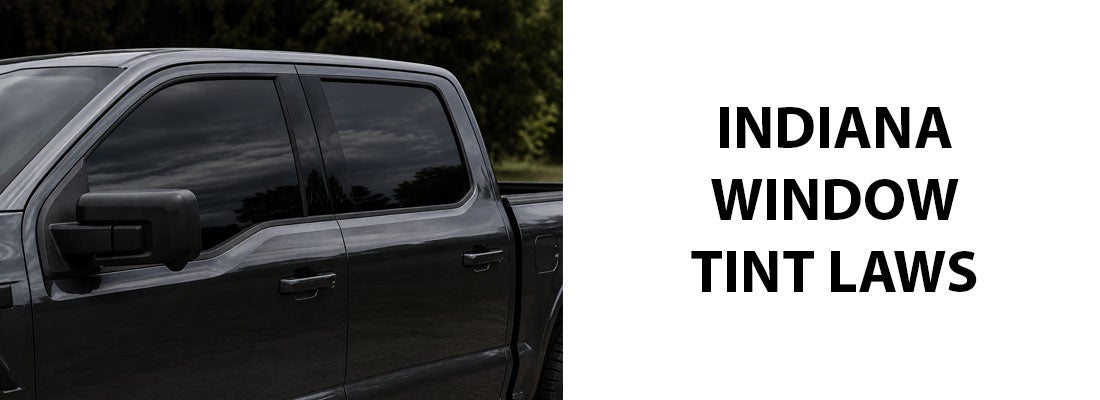
A lot of people look into getting their windows tinted for a variety of different reasons. Window tint can block out harmful UV rays that can damage your skin and also your interior. Knowing beforehand what the Indiana window tint laws are can be really helpful in making sure you don’t go too dark and risk your safety, and getting a ticket. In this article, we’ll go over the Indiana legal tint limits, potential fines, reflection guidelines, a few exceptions, and much more. 

Indiana Legal Tint Limit for Sedans 

If you’re driving a sedan, Indiana law is pretty specific about how dark your tint can be. The rules are based on visible light transmission (VLT), which is just how much light is allowed to pass through your windows. 

  • Windshield: Non-reflective tint is allowed only on the top strip above the manufacturer’s AS-1 line 
  • Front side windows: Must allow more than 30% of light in
  • Rear side windows: Must allow more than 30% of light in
  • Rear window: Must allow more than 30% of light in 

Indiana Legal Tint Limit for SUVs and Vans 

SUVs and vans get a little more flexibility, especially in the back windows. 

  • Windshield: Non-reflective tint allowed only above the AS-1 line
  • Front side windows: Must allow more than 30% of light in
  • Rear side windows: Any darkness is allowed, still subject to safety and mirror requirements 
  • Rear window: Any darkness is allowed, still subject to safety and mirror requirements 

Indiana Tint Laws

Indiana tint laws go beyond just how dark your windows can be. The state also regulates how reflective your tint is, meaning you can’t use mirror-like or highly reflective films that could create glare for other drivers. Also, if your rear window is tinted, you’re required to have dual side mirrors so you can still see clearly behind you. 

Another thing to keep in mind is enforcement. Law enforcement can test your tint with a meter if they think it’s too dark or not compliant. If your tint doesn’t meet Indiana standards, you could face fines and possibly be required to remove or replace it. Knowing and staying within the guidelines from the beginning is the easiest way to avoid hassle and keep your vehicle both safe and street legal 

How Tinted Can Windows Be? 

When people wonder how dark their tint can be, it comes down to how much light still gets through the glass. In Indiana, your front side windows need to let in a noticeable amount of light, so they can’t have that super dark, in-style look. From the outside, you should still be able to see into the front seats to some degree, especially in daylight. 

Is It Different For the Rear Window? 

The back windows are where things open up a bit more, depending on the type of vehicle you drive. If you have an SUV or van, those rear windows can be much darker, even nearly blacked out, while sedans have to stay more consistent all the way around. Basically, the front half of your vehicle always needs to stay fairly visible, while the rear half may allow more privacy depending on what you drive. 

Can You Tint Your Windshield? 

In Indiana, there’s only a very small portion of your windshield that you’re allowed to tint. The law allows a non-reflective strip along the top of the windshield, usually above the factory-marked AS 1 line. That strip is designed to cut down on glare from the sun, not to darken your full field of vision. 

Just understand that you can’t tint the entire windshield or extend the tint below that top line. Doing that can reduce visibility and will likely get you pulled over. If you want the benefits of heat and UV protection on the full windshield, some drivers look into clear films that are designed to block UV rays without actually darkening the glass. 

How Much Is a Window Tint Fine in Indiana? 

How much you’ll be fined for illegal tint in Indiana will really depend on how many times you’ve been pulled over for it. Once you get into the details, the penalties can get pretty serious. The state actually categorizes these violations into different levels, usually either a Class C or the more serious Class A infraction. A Class C infraction can carry a fine of up to $500, which is already more than most people expect for something like window tint. But it can get much worse. If it’s treated as a Class A infraction, the penalty can go all the way up to $10,000, which is a huge jump. 

That’s why it’s important to fix the issue right away if you do get a ticket. Swapping out or removing illegal tint sooner rather than later can save you from bigger problems down the road. If you get cited again for the same thing, the consequences are usually much more severe. 

Window Tint Reflection Guidelines 

In general, your tint should look fairly natural from the outside, without that metallic or chrome appearance. If it looks overly reflective or flashy, there is a good chance it doesn’t meet the guidelines and could get you pulled over. 

Addition Laws

  • Obstruction rules 

Anything placed on windows, including tint or decals, can’t block the driver’s clear view of the road. 

  • Side mirror requirements 

If your rear window is tinted, your vehicle must have dual side mirrors so you can still see behind you. 

  • Aftermarket tint responsibility 

Even if a shop installed your tint, you’re still responsible for making sure it meets legal limits. 

  • Combination violations 

Illegal tint can sometimes be added onto other traffic violations, which may increase overall penalties or attention from law enforcement. 

Indiana Window Tint Exceptions 

Indiana’s window tint laws are actually pretty laid back compared to some other states. For example, Indiana doesn’t ban specific tint colors, and you don’t have to place a sticker on your window showing that your tint is legal. 

That said, there are still some basic rules behind the scenes. Window tint manufacturers are expected to certify that their products meet Indiana standards, but most reputable shops already handle that. As long as you go to a trusted installer, you’re usually getting compliant film without having to think too much about it. 

There are also medical exceptions worth bringing up. If you have a condition that makes you extra sensitive to the sun, like certain eye issues or skin conditions, you might qualify for a darker tint than is normally allowed.

Just make sure to get the proper documentation from your doctor. If you do have an exemption, it’s important to keep that paperwork in your vehicle at all times, in case you are pulled over and questioned. 

How To Tell If Your Window Tint Is Legal 

You can make a judgment call just by looking, but the most accurate way is to use a tint meter. This is a small device that measures how much light passes through your windows. Many tint shops or law enforcement officers use these, and some shops will even check your tint for free or for a small fee. This gives you a clear answer without just having to guess. 

You can also double-check your paperwork if you had the tint professionally installed. Reputable shops usually know the legal limits and install film that meets those standards. Your receipt or product details can give you some peace of mind. 

Indiana Window Tint Laws Conclusion 

When you take the time to understand the rules and make sure your tint lines up with what is allowed, it helps you stay comfortable, protect your vehicle, and skip the hassle of tickets or having to redo the job. 

And if you want a team that makes the whole car ownership experience feel just as easy, swing by Don Hinds Ford. We are here to help you find the right vehicle, answer your questions, and make sure everything about your ride feels dialed in from the start. We can help you with all of your service and accessory needs, from window tints to tires and transmission repair. Plus, we serve the entire Indianapolis area, including Carmel and Brownsburg.

Indiana Car Registration

Registering your vehicle in Indiana is a necessary step to legally drive on public roads. Whether you’ve just moved to the state, purchased a car, or need to renew your plates, understanding the process can save you time, money, and frustration. This guide walks you through Indiana car registration, including requirements, costs, timelines, and key tips.

What Is Indiana Car Registration?

Indiana car registration is the process of officially recording your vehicle with the state through the Indiana Bureau of Motor Vehicles (BMV). Once registered, you receive:

  • A license plate
  • A registration card
  • Validation stickers showing expiration

State law requires most vehicles to be registered within a specific timeframe after purchase or relocation.

How to Register a Car in Indiana

The process varies slightly depending on whether you brought the vehicle in-state, out-of-state, or from a dealership. In general, the steps are:

  1. Obtain the vehicle title (must be in your name)
  2. Gather required documents (see below)
  3. Visit a BMV branch, kiosk, or online portal
  4. Pay registration fees and taxes
  5. Receive your plate and registration

Indiana residents must register newly purchased vehicles within 45 days, and new residents must register within 60 days of moving.

Indiana Car Registration Requirements

To register a car in Indiana, you’ll typically need:

  • Vehicle title (signed over to you)
  • Proof of identity (driver’s license or ID)
  • Proof of Indiana residency (usually two documents)
  • Proof of auto insurance
  • Social Security number (or proof of legal status)
  • Payment for fees and taxes

If you’re registering an out-of-state vehicle, you may also need a VIN inspection to verify the vehicle’s identity.

Required Documents Explained

Here’s a closer look at what you’ll need:

  • Title: Proves ownership. Must be transferred into your name before registration.
  • Proof of Insurance: Indiana requires minimum liability coverage.
  • Proof of Address: Utility bills, lease agreements, or bank statements.
  • Bill of Sale (sometimes): Especially for private sales.
  • VIN Inspection (if applicable): Often required for out-of-state vehicles.

Missing documents are one of the most common reasons for delays.

Indiana Plate Registration

When you register your vehicle, you’ll also receive license plates. Indiana offers:

  • Standard plates
  • Personalized plates
  • Specialty or “distinctive” plates

You can also transfer an existing plate from one vehicle to another you own, which can save time and sometimes money.

What Does the Registration Card Look Like?

The Indiana registration card is a printed document that includes:

  • Your name and address
  • Vehicle details (make, model, VIN)
  • License plate number
  • Registration expiration date

It’s typically mailed to you or provided at the BMV, and you should keep it in your vehicle at all times.

Where to Register Your Car in Indiana

You have several options:

  1. BMV Branch (in person): Most common method. Staff can verify documents and complete the process.
  2. Online (myBMV Portal): You can register online if the purchase of your vehicle is recent (usually within 60 days), and the vehicle is not leased.
  3. BMV Connect Kiosks: Self-service machines located in certain areas offer registration.
  4. Partner Locations: Some third-party providers (FSP/PSP) offer registration services.

Can You Register a Car Online in Indiana?

Yes, in many cases. Indiana allows online registration through the myBMV system if your situation is straightforward. However, you may need to visit a branch if:

  • You’re registering from out-of-state
  • Additional documentation is required
  • You need a VIN inspection

Can you Register a Car in Indiana Without a Driver’s License?

It is possible to register a vehicle in Indiana without a driver’s license, but you must still provide valid identification and meet residency requirements. Many people use a state-issued ID instead.

However, you cannot legally drive without a valid driver’s license, even if the car is registered.

Can You Transfer a Car Registration from Another State?

Yes, but it’s not a direct transfer; you’ll need to:

  1. Title the vehicle in Indiana
  2. Complete a new registration
  3. Possibly undergo a VIN inspection

If you recently moved, you must complete this process within 60 days.

Indiana Car Registration Cost

The cost of registering a car in Indiana isn’t a single flat fee; it’s a combination of several charges that vary based on your vehicle and where you live. Here’s a simple breakdown of what you can expect:

  • Base registration fee: Around $21.35 annually for most passenger vehicles
  • Vehicles excise tax: The highest cost, based on your car’s original value and age, with newer and more expensive vehicles costing significantly more
  • County and municipal (wheel) taxes: Additional local fees that vary depending on your location
  • Transportation Infrastructure Improvement Fee: Typically about $15 to support road funding
  • Plate and specialty fees: Extra costs for personalized or specialty license plates
  • Hybrid or electric vehicle fees: Additional charges for alternative fuel vehicles

Altogether, most drivers pay anywhere from under $100 for older vehicles to several hundred dollars per year for newer cars, largely due to the excise tax component.

How Long Does It Take to Register a Car in Indiana?

  • In person: Usually completed the same day
  • Online: A few days to process, plus mailing time
  • Title transfers: May take longer if paperwork is delayed.

You’ll often receive temporary documentation immediately, with official materials arriving by mail.

Benefits of Registering Your Car at the Dealership

If you purchase a vehicle from a dealership, they may handle the registration for you. This saves time and paperwork, ensures correct documentation, and temporary plates are issued to you immediately.

Registering at the BMV: Pros and Cons

Pros

  • Direct assistance from staff
  • Immediate processing
  • Ability to resolve issues on the spot

Cons

  • Possible wait times
  • Need to bring all documents in person

Additional Considerations: 

Emissions Testing: Only required in certain counties (like Lake and Porter).

Renewal Deadlines: Registrations must be renewed before expiration to avoid penalties (typically $15)

Address Changes: You must provide proof if your address changes during registration.

Penalties For Driving an Unregistered Car in Indiana

Driving an unregistered vehicle in Indiana can lead to a range of penalties that escalate if the issue isn’t resolved. Typically, law enforcement may issue a citation, which can include fines and court costs, and repeated offenses may result in higher penalties. In some cases, your vehicle could be impounded, especially if it’s also uninsured or involved in another violation. 

Driving without a valid registration may also add points to your driving record, potentially affecting your insurance rates. If you fail to address the citation, you could face additional consequences such as license suspension or difficulty renewing your registration in the future.

Indiana Car Registration: Final Thoughts

Registering your car in Indiana is a relatively straightforward process once you understand the requirements. The key is preparation: gather your documents, understand your deadlines, and choose the method that works best for you.

If you still have questions about Indiana car registration, it’s worth getting help from people who handle the process every day. Our team at Don Hinds Ford is experienced in guiding customers through titling, plate registration, and all the paperwork that can slow things down. Instead of trying to decode requirements on your own, you can get clear, practical answers tailored to your situation, whether you’re transferring an out-of-state title, replacing a registration card, or registering a newly purchased vehicle.

Working with us at Don Hinds can also save you time and reduce the risk of costly mistakes. Our staff understands Indiana BMV procedures and can help ensure our documents are complete before submission, which means fewer delays and less back-and-forth. If convenience matters and you want the process handled correctly the first time, reaching out to a knowledgeable dealership team is a smart move. Come see us today!

Indiana Vehicles Sales Tax

You’ve just found the perfect new (or new to you) car for the perfect price, but before you drive off, you’ll have to pay more than just the purchase price. Indiana vehicle sales tax, registration costs, and title requirements are all a required part of purchasing a vehicle. 

Whether you’re buying from a dealership or a private seller, knowing how Indiana sales tax works can help you avoid surprises and plan your budget accordingly. In this guide, we’ll cover everything you need to know about car sales tax, including how much you’ll pay, when it’s due, and who pays.

What Are the Tax Laws in Indiana for Buying a Car?

When buying a car in Indiana, you will pay a 7% sales tax on the purchase price. Indiana also charges an excise tax to register the vehicle. These laws apply whether the car is new, used, purchased from a dealership, or purchased from a private seller. 

The 7% sales tax is calculated by multiplying the purchase price of the vehicle by .07. For example, if you buy a truck for $25,000, you will owe $1,750 in taxes (25,000 x .07 = 1750). Discounts offered by the dealership, including trade-in value, are subtracted from the total purchase price, reducing the taxable amount. Say the dealer offers $4,000 for your older truck. Sales tax would be calculated after subtracting the $4,000 from the purchase price, and you would owe $1,470 instead of $1,750 (21,000 x .07 = 1470). 

If you go out of state to buy your new vehicle, you may still owe sales tax when you transfer the title. Indiana requires payment when you register the vehicle. If you already paid sales tax in the state where you bought the car, Indiana may give you a credit for that amount. If the other state’s tax was lower than 7%, you will need to pay the difference. 

Who Pays It?

Indiana sales tax on cars is typically paid for by the buyer. This is the case whether you’re buying in a private sale or from a dealership. Because taxes and registration costs are your responsibility, it’s a good idea to calculate these expenses before you finalize the sale, as they can add up. 

How Do You Pay It?

How you pay Indiana sales tax on cars depends on where you buy the car. The process is different for dealership purchases and private-party sales. In both cases, the tax has to be paid before you can title and register the vehicle. 

If you purchase a car from a dealership, the dealer usually calculates the sales tax and includes it in your final purchase price. Most buyers pay it as part of the down payment, financing agreement, or the total amount due at signing. The dealer then submits the tax to the state for you. 

However, if you purchase from a private seller, you will need to pay the required tax when you register the car and transfer the title. To do this, you can go to the Indiana Bureau of Motor Vehicles website or to a branch near you. Bring the signed title, bill of sale, and any required documents. The BMV can determine the amount of tax you owe and take your payment. 

When Is It Due?

Per tax laws in Indiana for buying a car, vehicle taxes are due at the time of purchase or when you register the vehicle. If you purchase from a dealership, the tax is due when you complete the sale. The dealer collects the tax and sends it to the state on your behalf. 

For private-party vehicle purchases, sales tax is due when you transfer the title and register the vehicle with the BMV. The state gives you 45 days from the sale to transfer the title. 

Title and Registration Requirements

In order to transfer the title and register your new vehicle, you will need to pay the 7% sales tax and the annual excise fee. The Indiana BMV handles title transfers and registration, but you can take care of it online or at a branch. The state gives you 45 days from the sale to title the vehicle. To complete the process, provide:

  • A signed vehicle title or a notification from the dealer
  • Bill of sale, if the seller didn’t fully fill out the title
  • An Odometer Disclosure Statement (State Form 43230) if the odometer statement isn’t filled in on the title
  • Physical Inspection Form (State Form 39530) if it’s an out-of-state vehicle and you’re not bringing it to the BMV or the VIN isn’t visible/accessible
  • Identification
  • Proof of insurance 
  • Emissions test if you reside in Lake and Porter counties
  • Excise fee

Indiana charges an annual excise fee to register your vehicle. The actual amount depends on how old your vehicle is and its original retail cost. For example, a vehicle with a retail value of $37,000 costs $469 to register when it’s new and $63 when it’s eight years old. You can find more information about the excise tax here

If you purchase your vehicle from Don Hinds Ford, we make the process easy for you. We handle collecting the fees and filling out required paperwork at the time of the sale. 

Penalties for Late Payment

The state of Indiana gives you 45 days from the purchase of a vehicle to register, transfer the title, and pay required taxes and fees. If you wait too long to register and pay, you will be charged a $15 fee. If you are more than 60 days out from the sale of the vehicle, you will not be able to use the online portal to pay and register. Instead, you will have to bring the vehicle into a BMV branch near you. 

What If You Live in Another State But Buy a Car in Indiana?

Car sales tax is based on where you register and title the vehicle. If you purchase a vehicle in Indiana but live in another state, you will need to title and register the vehicle in your state. You will likely need to pay your state’s taxes at the time of registration. Make sure you confirm requirements with your local DMV before purchasing. 

Situations Where You Don’t Have to Pay Vehicle Sales Tax in Indiana

While Indiana vehicle sales tax applies to most car sales, there are some exemptions, including: 

  • Gifted vehicles
  • Transfers between family members
  • Inherited vehicles
  • Trade-ins
  • Vehicles purchased by a dealer for resale
  • Vehicles purchased for a non-profit organization or governmental agency

Specific requirements for exemptions can vary, and you will typically need documentation. It’s a good idea to check with the Indiana BMV before assuming no tax is owed. 

Visit Indiana’s Go-To Ford Dealership!

Have more questions about Indiana vehicle sales tax? Looking for a new ride? Don Hinds Ford has you covered. Our friendly, knowledgeable staff will help you every step of the way–from test driving the latest Ford models and finalizing financing to servicing a vehicle you own. Stop by today to see why we’re one of the premier Ford dealerships near Indianapolis! We serve the entire Indianapolis area, including Carmel and Anderson.

Ford Bronco

This content was aggregated from local dealer and data and insights provided by the USA Today Network Automotive Insights team using Google Gemini and the Vehicles For Sale Near Indianapolis Star Edition marketplace writing team.

Ford Bronco vs Jeep Wrangler: Which Off-Road SUV Is Better for Fishers, IN Drivers?

For drivers in Fishers, Indiana, looking for an SUV that can handle both the daily commute and weekend adventures, the choice often comes down to two legendary vehicles: the 2026 Ford Bronco and the Jeep Wrangler. Both offer impressive off-road capabilities, but they approach the journey with different philosophies. Let’s explore which one might be the perfect fit for your lifestyle in and around Fishers.

The 2026 Ford Bronco: Your Modern Daily Driver with Adventure Ready Capability

The 2026 Ford Bronco, especially models like the Big Bend, is designed to offer a smoother, more refined experience on paved roads without sacrificing its adventurous spirit. For Fishers residents navigating I-69 or tackling gravel roads, the Bronco provides a comfortable and composed ride.

Key Highlights of the 2026 Ford Bronco Big Bend:

  • Powered by an EcoBoost 2.3L I-4 engine with 275 horsepower, paired with a responsive 10-Speed Automatic transmission.
  • Equipped with a robust 4×4 drivetrain and a Two-Speed Transfer Case, ready for diverse terrains.
  • Features HOSS 1.0 off-road ride suspension for a balanced blend of comfort and capability.
  • Boasts modern technology like SYNC 4 with Enhanced Voice Recognition, a 12-inch primary display, and integrated navigation.
  • Offers advanced safety features including BLIS (Blind Spot Information System), Lane-Keeping System, and Pre-Collision Assist with Pedestrian Detection.
  • Achieves an estimated 18 MPG in the city and 21 MPG on the highway, making it efficient for an SUV of its class.
  • Provides practical towing capacity of up to 3500 lbs.

Jeep Wrangler: The Traditional Trailblazer

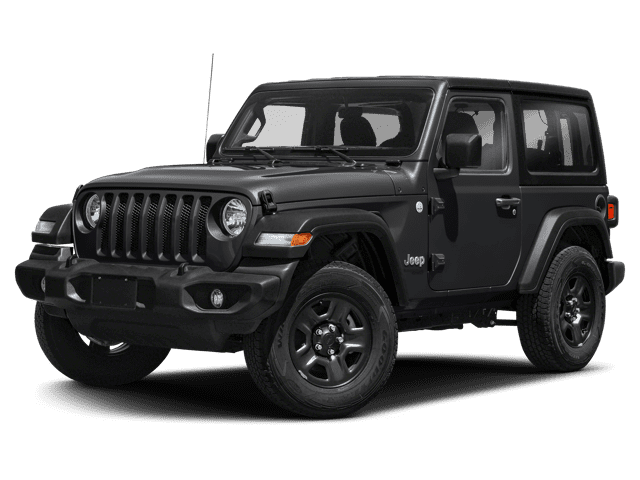
The Jeep Wrangler, on the other hand, embodies a more traditional, rugged off-road experience. It’s known for its iconic look, removable doors, and open-air freedom. While incredibly capable on the trails, its design often means a firmer ride and a less tech-focused interior compared to the Bronco.

Navigating Indiana Conditions: Snow, Gravel, and Commuting

Living in Fishers means dealing with a variety of road conditions, from snowy winters to gravel country roads and daily highway commutes. The 2026 Ford Bronco excels in offering a balanced approach. Its advanced suspension and 10-Speed Automatic transmission provide a comfortable ride for daily driving, absorbing bumps better than many traditional off-roaders. When snow falls or you venture onto light trails, its 4×4 system, Terrain Management System, and features like Hill Descent Control and Hill Start Assist are ready to tackle the challenges with confidence.

The Jeep Wrangler is also excellent in challenging conditions, especially off-road. Its robust 4×4 systems are legendary for conquering tough terrain. However, for everyday commuting in Fishers, some drivers might find its more rugged suspension and traditional design less forgiving on longer trips or smooth pavement.

Ease of Ownership & Technology

The 2026 Ford Bronco prioritizes a modern and comfortable ownership experience. Inside, you’ll find features like Dual-zone front climate control and available heated driver and front passenger seats, ensuring comfort regardless of the weather. The SYNC 4 system, with its large 12-inch touchscreen and wireless Apple CarPlay/Android Auto, keeps you connected and entertained. Driver-assist technologies like BLIS and Lane-Keeping System add an extra layer of confidence to your daily drives.

The Jeep Wrangler offers a more straightforward, function-over-form approach. While newer models have improved their interiors and tech, the focus remains on durability and ease of cleaning after a muddy adventure. For those who prefer a less complex cabin and a more direct connection to the driving experience, the Wrangler’s simplicity can be a major draw.

Off-Road Capability Overview

Both the 2026 Ford Bronco and Jeep Wrangler are incredibly capable off-road vehicles, designed to take you beyond the pavement. The Bronco, with its HOSS suspension, available driver selectable locking differentials, and various G.O.A.T. Modes (Goes Over Any Type of Terrain), offers impressive capability that feels refined. It’s designed to make off-roading accessible and enjoyable without feeling overly harsh.

The Wrangler’s reputation for off-road prowess is well-earned. Its solid axle suspension, generous ground clearance, and highly capable 4×4 systems are built for serious trail adventures. It offers a more raw and immersive off-road experience, favored by purists.

Who Should Buy What in Fishers?

  • Choose the 2026 Ford Bronco if: You’re a Fishers driver who needs a comfortable and technologically advanced daily vehicle that can confidently handle Indiana’s snow, gravel roads, and occasional light trails. You appreciate a smoother ride, modern amenities, and advanced safety features, but still want the capability to explore off the beaten path on weekends.
  • Choose the Jeep Wrangler if: You prioritize traditional, rugged off-road capability above all else and are willing to embrace a more direct, less refined driving experience for your daily commute. You love the iconic design, open-air freedom, and the ability to tackle challenging trails with a vehicle built specifically for that purpose.

Discover Your Next Adventure Vehicle at Don Hinds Ford

The best way to decide which iconic SUV is right for you is to experience them firsthand. Visit Don Hinds Ford in Fishers to explore the 2026 Ford Bronco Big Bend and speak with our knowledgeable team. We can help you compare features, discuss your specific needs, and find the perfect vehicle to complement your Fishers lifestyle.

Written for Don Hinds Ford
By the USA TODAY Network Automotive Insights Team, in collaboration with
https://vehiclesforsalenearindianapolis.com and the Vehicles For Sale Near Indianapolis Star Edition.

F-150

This content was aggregated from local dealer and data and insights provided by the USA Today Network Automotive Insights team using Google Gemini and the Vehicles For Sale Near Indianapolis Star Edition marketplace writing team.

Is the 2026 Ford F-150 Reliable for Long-Term Ownership in Fishers, IN?

For drivers in Fishers, Indiana, choosing a new truck means looking beyond just today’s needs. It’s about finding a vehicle that can handle our changing seasons, daily commutes, and weekend adventures for years to come. The 2026 Ford F-150, especially models like the STX Crew Cab 4×4 available at Don Hinds Ford, often comes up in this conversation. Let’s explore why this truck might be a wise long-term investment for you.

Key Highlights of the 2026 Ford F-150 STX Crew Cab 4×4

  • Powerful Performance: Equipped with a robust EcoBoost 2.7L V-6 engine, delivering 325 horsepower, paired with a smooth 10-Speed Automatic transmission.
  • Ready for Anything: Features 4×4 drive, a 7,500 lbs towing capacity, and a 1,650 lbs standard payload, making it highly capable for work or play around Fishers.
  • Advanced Technology: Stay connected and in control with SYNC 4 featuring Enhanced Voice Recognition, plus smart device wireless mirroring with Apple CarPlay and Android Auto.
  • Comprehensive Safety: Drive with confidence thanks to Ford Co-Pilot360 technologies, including BLIS (Blind Spot Information System), Cross-Traffic Alert with Reverse Brake Assist, Lane Keeping Alert, and Pre-Collision Assist with Pedestrian Detection.
  • Comfortable & Practical: The Crew Cab offers ample space, while features like power door mirrors, a rear window defroster, and an easy-lift tailgate enhance daily convenience.

Built for Indiana Roads: Reliability and Longevity

The Ford F-150 has a long-standing reputation for being a tough truck, and the 2026 model continues this tradition. With an average reliability rating that’s above average for pickup trucks, it’s designed to handle the demands of everyday life. Many F-150s are known to reach well over 200,000 miles, sometimes even more, when they receive regular care and maintenance.

For Fishers drivers, this longevity is especially important. Our Indiana weather can be tough, from snowy winters and icy roads to hot, humid summers. A 4×4 F-150 like the STX Crew Cab is well-equipped to navigate these conditions, offering better traction and control when you need it most. Whether you’re commuting on I-69, tackling muddy job sites, or towing a boat to Geist Reservoir, the F-150’s durable build and capable powertrain are up to the task.

The 2026 F-150 STX at Don Hinds Ford features a 10-Speed Automatic transmission. Ford has continuously refined its transmissions over the years, aiming for improved performance and reliability. For those considering the PowerBoost hybrid option in the F-150 lineup, Ford’s commitment to innovation means these advanced powertrains are also designed with durability in mind, backed by extensive testing.

Ownership Cost Benefits

Investing in a durable truck like the 2026 Ford F-150 can also lead to financial benefits over time. Its strong reputation for reliability means fewer unexpected repairs, saving you money in the long run. Plus, the F-150 consistently holds its value well, which means when it’s time to sell or trade it in, you’re likely to get a good return on your initial investment. This combination of durability and strong resale value makes the F-150 a smart choice for long-term ownership in Fishers.

Quick Specifications Summary

  • Make: Ford
  • Model: F-150 STX Crew Cab
  • Year: 2026
  • Engine: EcoBoost 2.7L V-6 (325 HP)
  • Transmission: 10-Speed Automatic
  • Drive Type: 4×4
  • Towing Capacity: 7,500 lbs
  • Payload Capacity: 1,650 lbs
  • Combined MPG: 20
  • Exterior Color: Agate Black Metallic
  • Interior Color: Black

Frequently Asked Questions

How long does a Ford F-150 last?

With proper maintenance and care, many Ford F-150 trucks are known to last for 200,000 miles or more. Regular service, like oil changes and tire rotations, is key to maximizing its lifespan.

Is the 2026 F-150 expensive to maintain?

The 2026 Ford F-150 is generally considered to have reasonable maintenance costs for a full-size truck. Its widespread popularity means parts are readily available, and many service centers are familiar with its needs. Sticking to the recommended maintenance schedule will help keep costs predictable and prevent larger issues.

Which engine is most reliable?

The 2026 F-150 STX at Don Hinds Ford comes with a robust EcoBoost 2.7L V-6 engine, known for its balance of power and efficiency. Historically, all F-150 engine options, including the various EcoBoost V6s and the V8, have demonstrated strong reliability when properly maintained. The best engine for you often depends on your specific needs for towing, hauling, and fuel efficiency.

Visit Don Hinds Ford in Fishers, IN

Ready to see if the 2026 Ford F-150 is the right long-term investment for you? Visit Don Hinds Ford in Fishers, Indiana, to explore our inventory and experience the capability and comfort of this impressive truck firsthand. Our team is here to answer all your questions and help you find the perfect F-150 for your lifestyle.

Written for Don Hinds Ford
By the USA TODAY Network Automotive Insights Team, in collaboration with https://vehiclesforsalenearindianapolis.com and the Vehicles For Sale Near Indianapolis Star Edition.